Off-grid · Remote · Wilderness
Lodges &
Lodges &
Remote Hospitality
Luxury built from the ground it stands on — wherever the grid doesn't reach.
Luxury built from the ground it stands on — wherever the grid doesn't reach.
The brief few architects can answer
A remote lodge is a contradiction: it must be off the grid, gentle on a fragile landscape, buildable by local hands with no supply chain — and still exquisite.
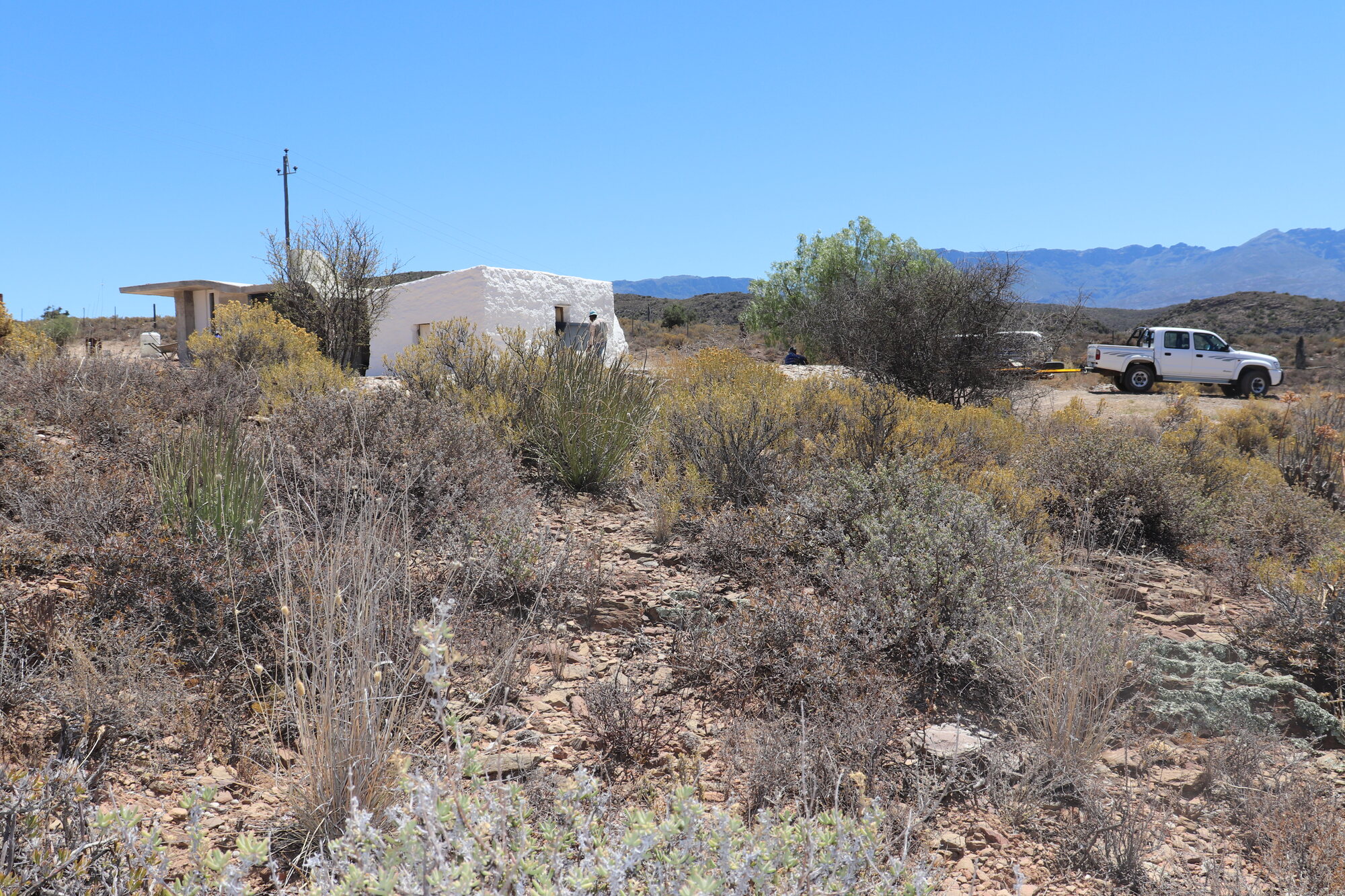
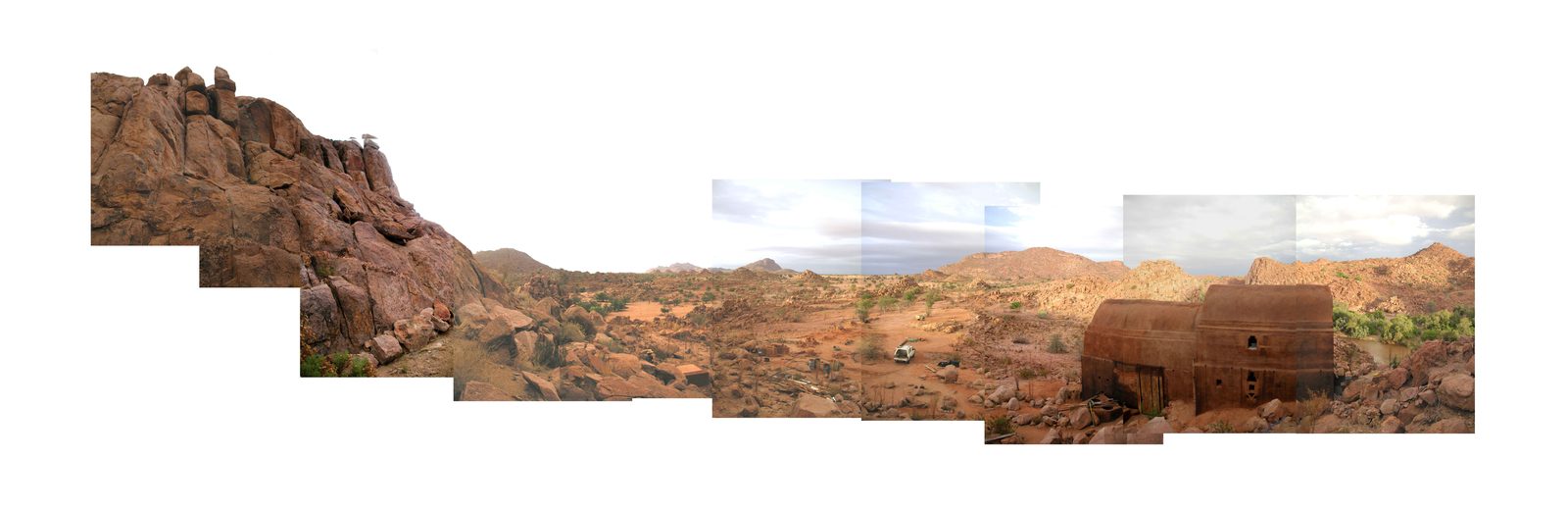
That contradiction is the whole of my practice. For twenty-five years I have built refined, self-powering buildings in places where there is no mains power, no water main, and no lorry of steel arriving on schedule — from riverbed clay in the Namib to formwork-free concrete vaults a small crew can lay by hand. The materials come from the ground the building stands on; the energy and water are the building's own. The result is low-impact by necessity and quiet by intention, and it lasts.
It is the exact intersection a luxury lodge or a wild-sited private estate demands — and it is rare, because most architects who can make a building beautiful have never had to make one work with nothing behind it.
Solar, water harvesting and storage, and passive climate design so the building generates and holds its own energy and water. A meter that runs backwards, not a generator that runs all night.
Poured earth, adobe, stone, lime and cyclopean concrete — material gathered on site, so the building belongs to its place and almost nothing is shipped in.
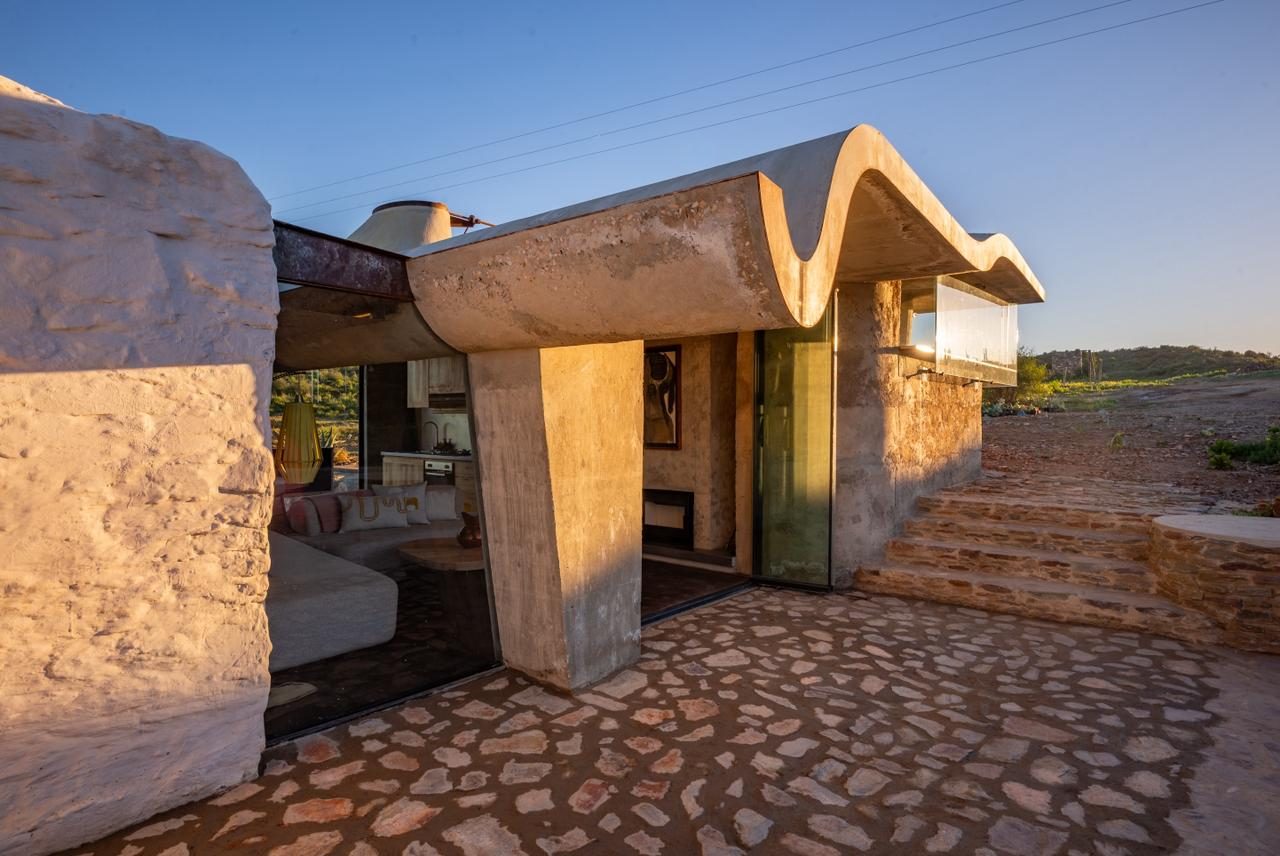
Catenary and barrel vaults laid without formwork, by a small trained crew. No cranes, no imported shuttering — the method suits a site at the end of a track, and it employs the community around it.
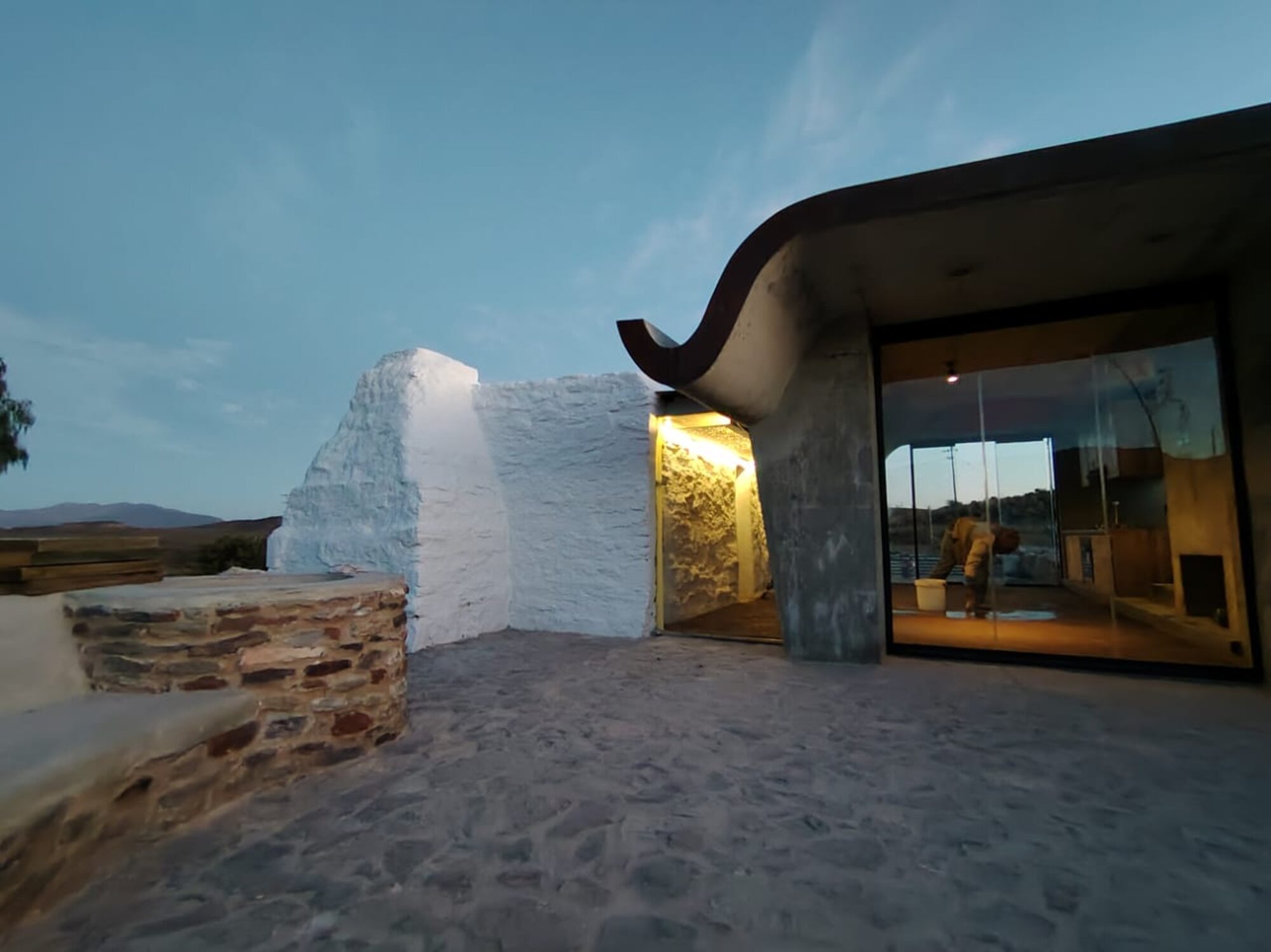
Where refinement is needed — glass, steel, joinery — I draw and fabricate to sub-millimetre tolerance in Rhino, Grasshopper and Onshape, and CNC-cut it to seat against a hand-built wall. Earth and machine in one building.
Light on a protected landscape by design — minimal earthworks, natural materials that weather in rather than out, and a structure that could one day return to the ground it came from.
The building becomes part of the experience you sell — the earth walls, the vault overhead, the fact that it runs on sun and rain. Sustainability that is visible and true, not a plaque in the lobby.
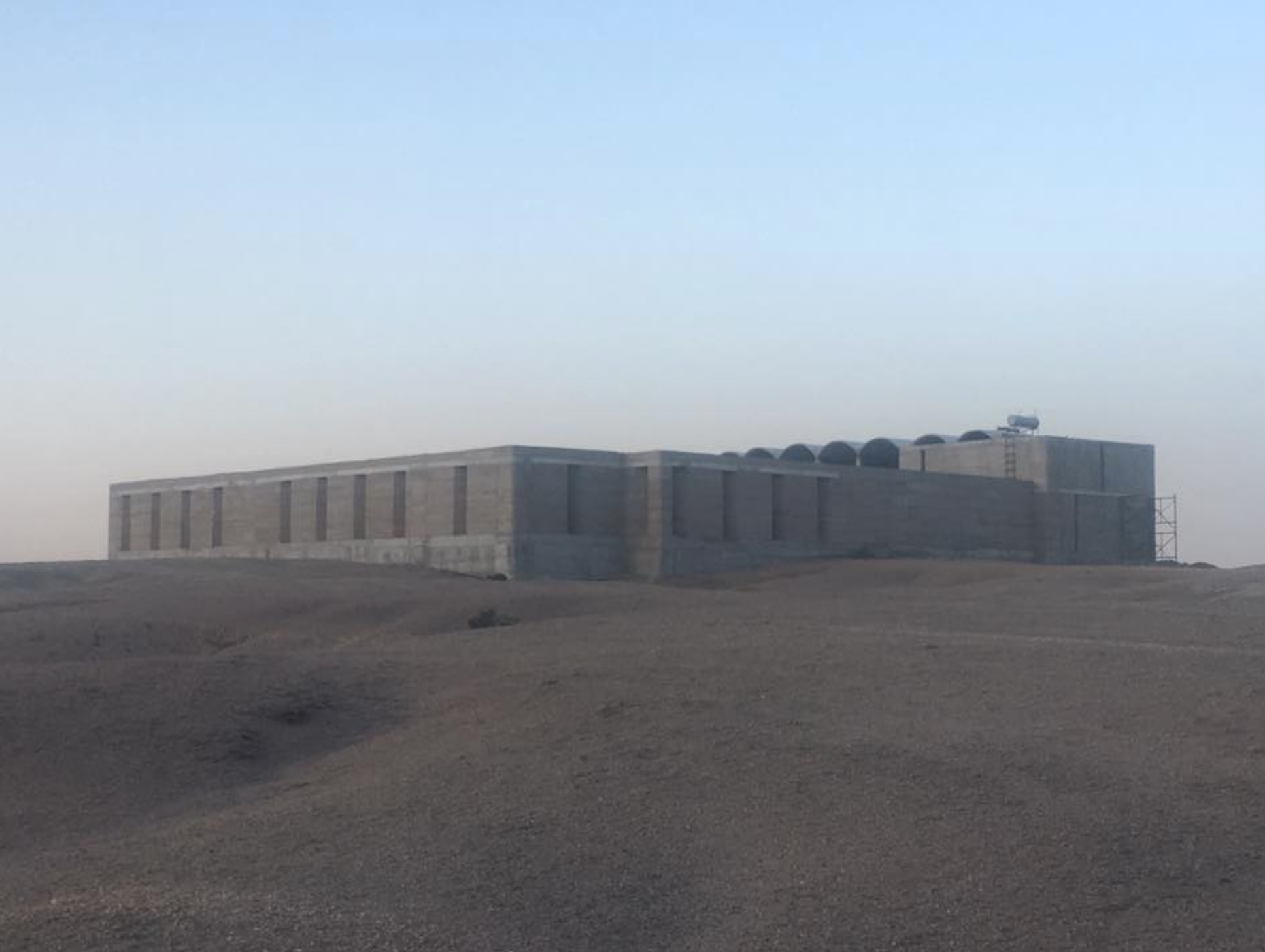
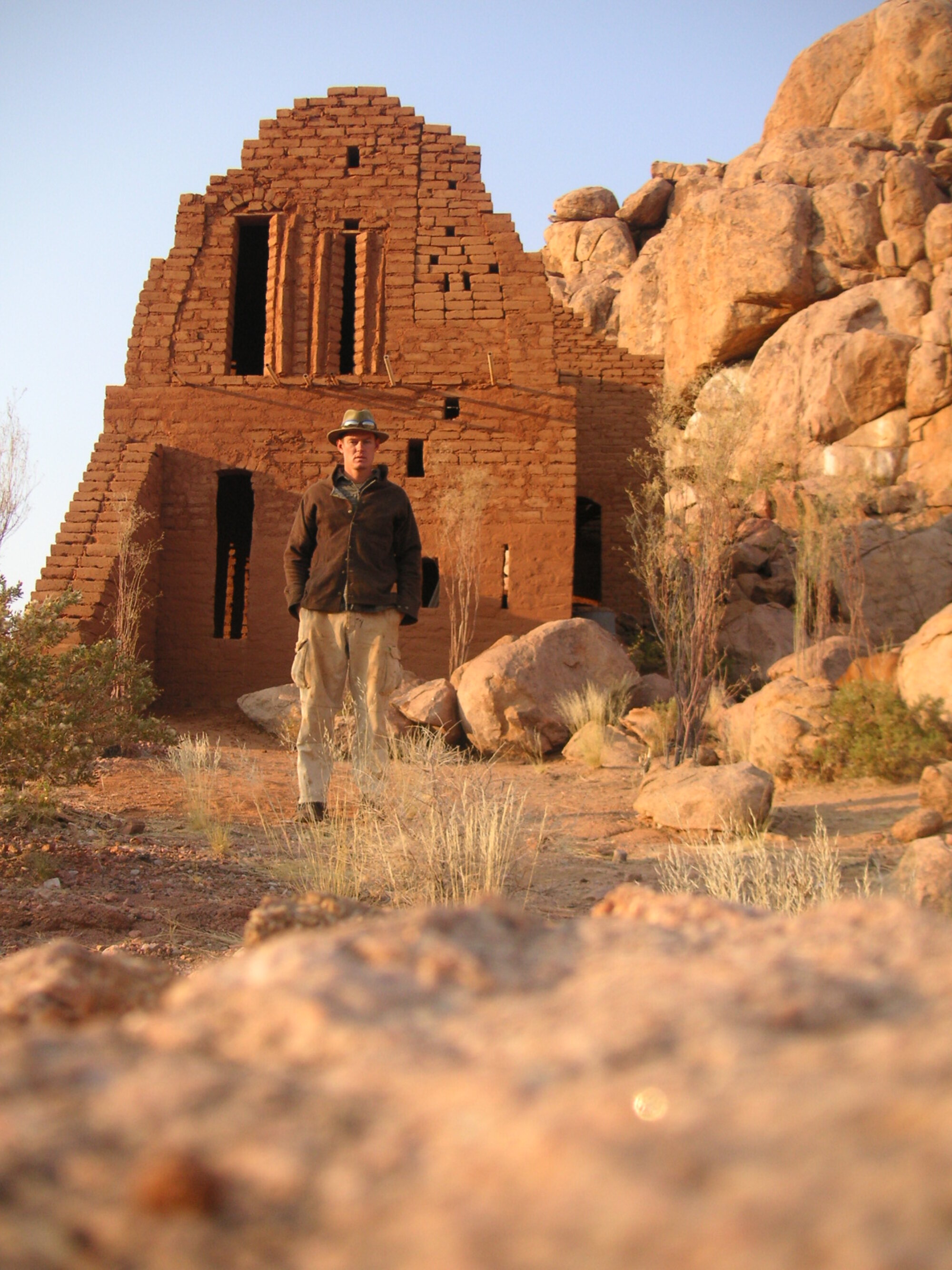
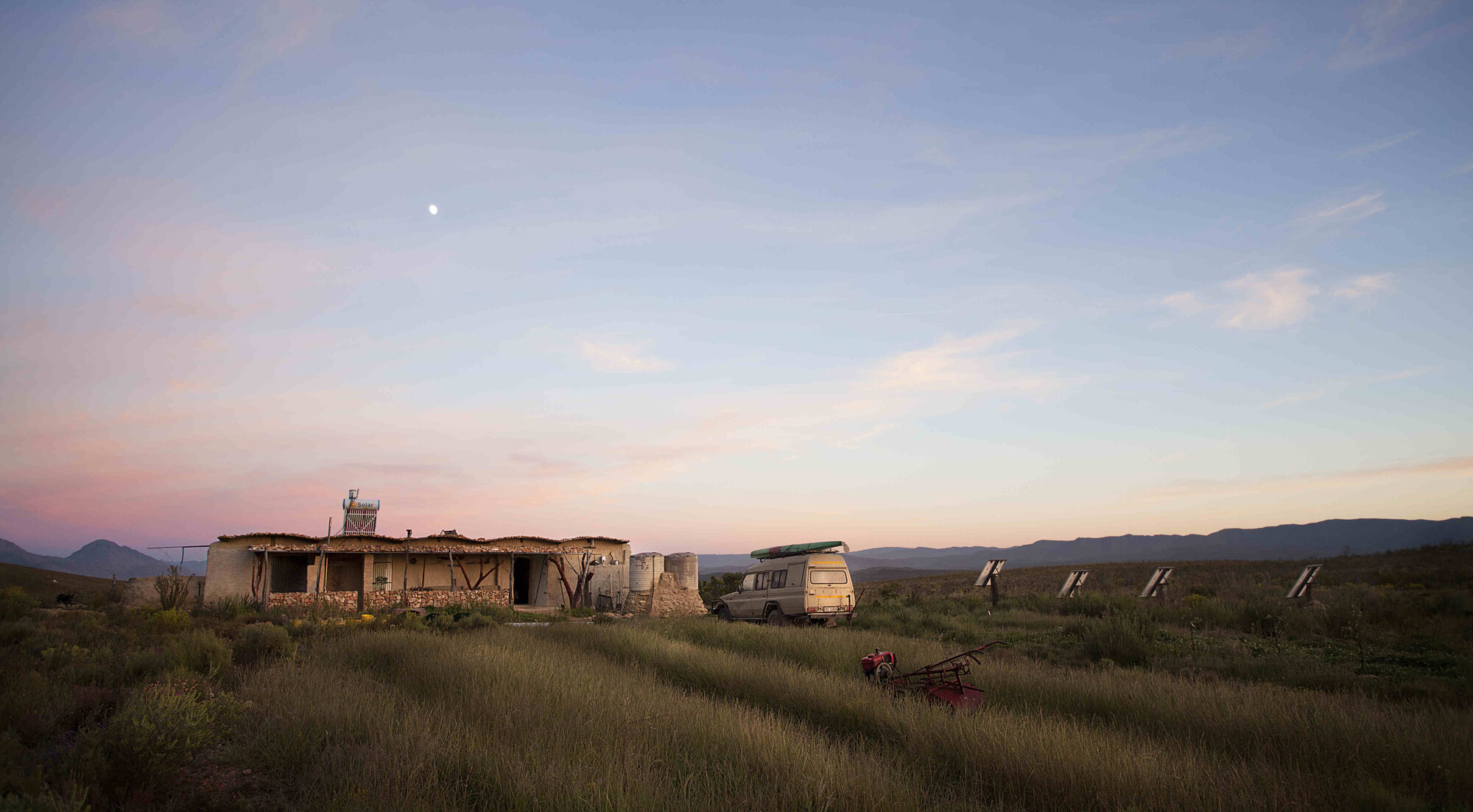
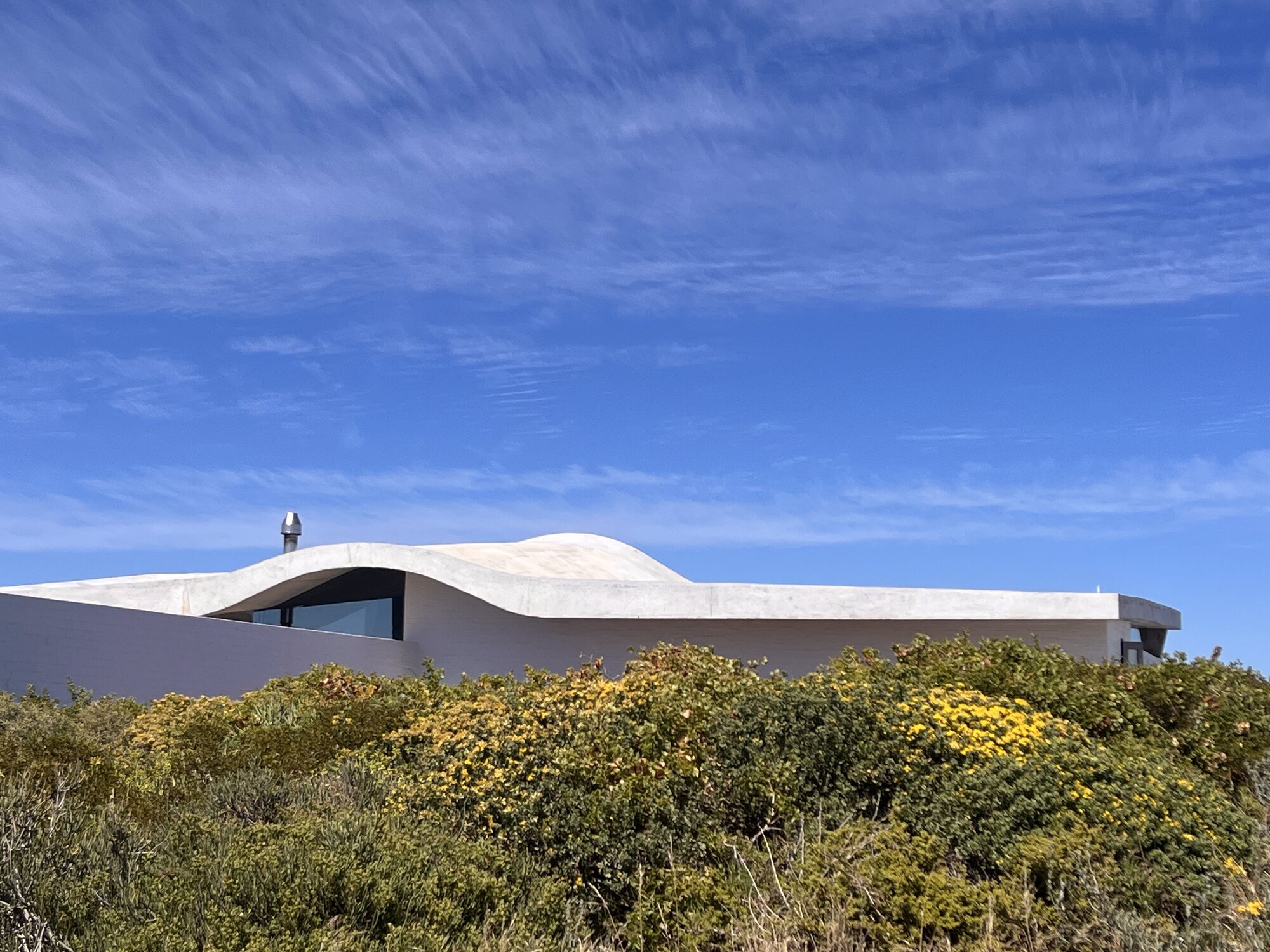
The method is portable. Off-grid, low-impact, drawn from the ground it stands on, it belongs anywhere the site is remote and the services run out. Two landscapes where it is most at home:
Safari camps and eco-lodges where the site itself is the luxury — the Okavango and the Kalahari, Damaraland and the Skeleton Coast, the Serengeti, Patagonia and the Atacama, the Amazon, the Icelandic highlands, the Arctic. Remote, fragile, off any grid: the harder the site, the more this way of building earns its place — power and water made on site, materials drawn from the ground, a structure a local crew can raise by hand.
Stone-and-vault country — Sardinia and Sicily, Mallorca and the Balearics, the Puglian masseria, the Greek islands, the Alentejo. Lime, stone and the vault are a language this practice already speaks — a year on the Rome Scholarship, a working life in mass masonry. The off-grid finca, the stone-vaulted retreat: refined, low-impact, and rooted in the ground it rises from.
Planning a lodge?
If you are developing a lodge, camp, retreat or wild-sited estate and want it to be genuinely off-grid, low-impact and beautiful, I would like to hear about the site.
Start a conversation