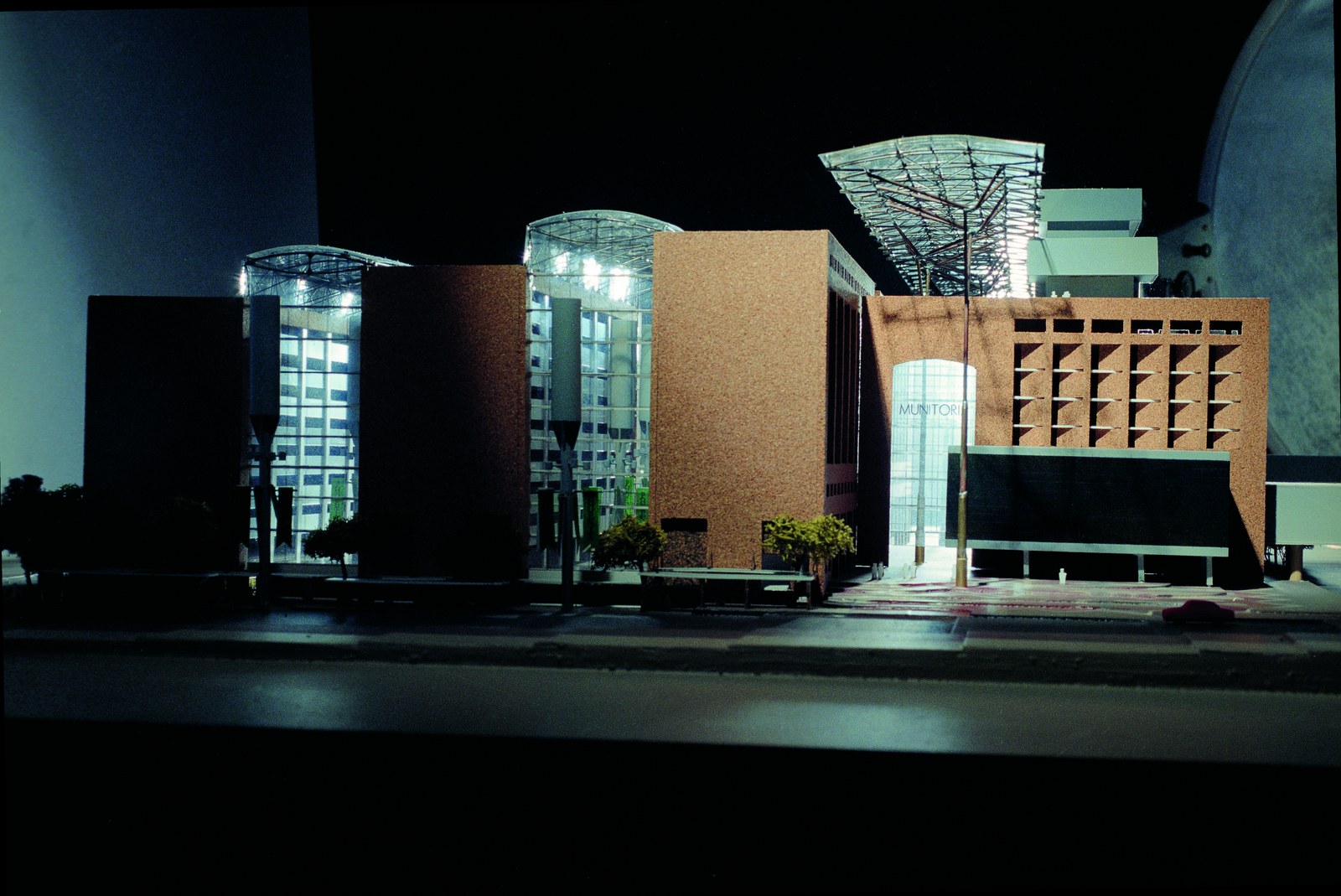
Competition · Winner · Pretoria
During 1999, Booyens was approached by the architects Ferdinand and Albrecht Holm — father and son — to join them, under Holm Jordaan and Partners, in a design competition. Pretoria's municipal head office, in South Africa's capital, had been partly destroyed by fire during the 1990s, and a competition — Project Phoenix — was launched for the redevelopment of the complex.
It ran in two stages. Five finalists were carried into the second round, the team among them — and, oddly, so was the scheme entered by Burg Doherty Bryant + Partners, the firm that had designed both the original building that burned and the South African Reserve Bank on the opposite corner of the city block.
In early 2000 the team was appointed as the competition winners and as site architects to see the project through. It was never built. After fourteen years of futile legal battles with the municipality, the winning scheme was set aside and replaced by another of the council's own choosing — from a firm that had not entered the competition at all.
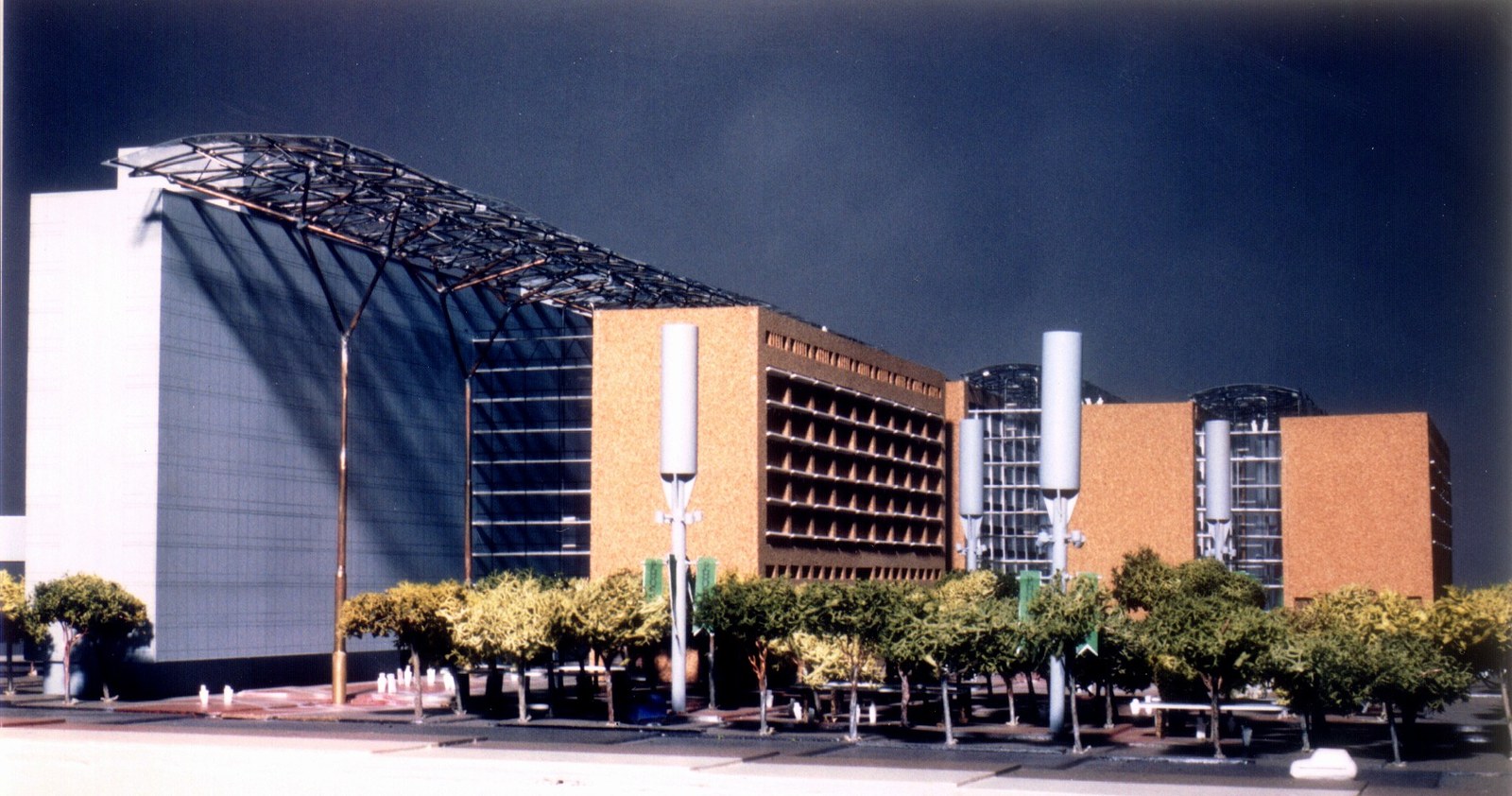
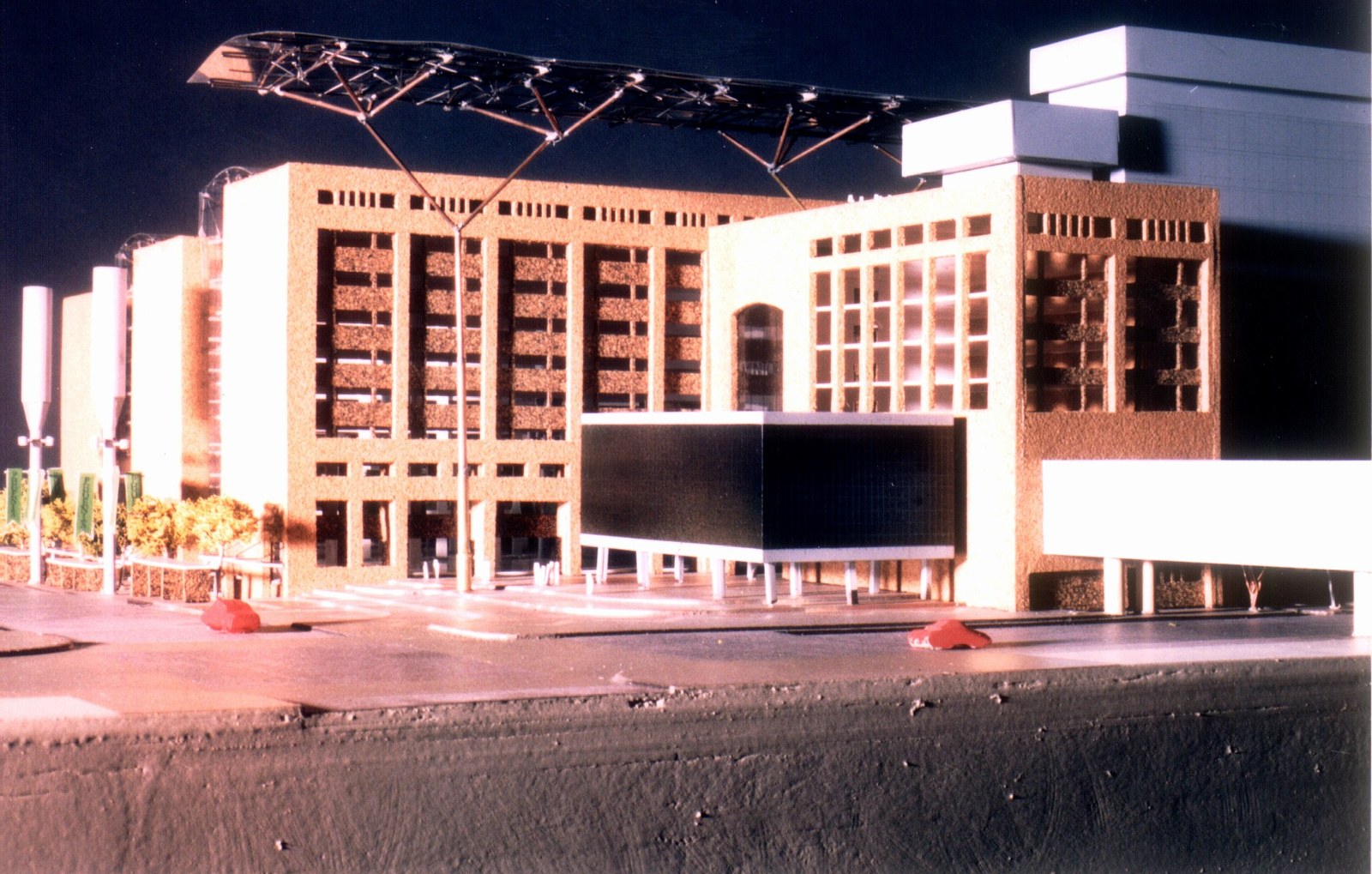
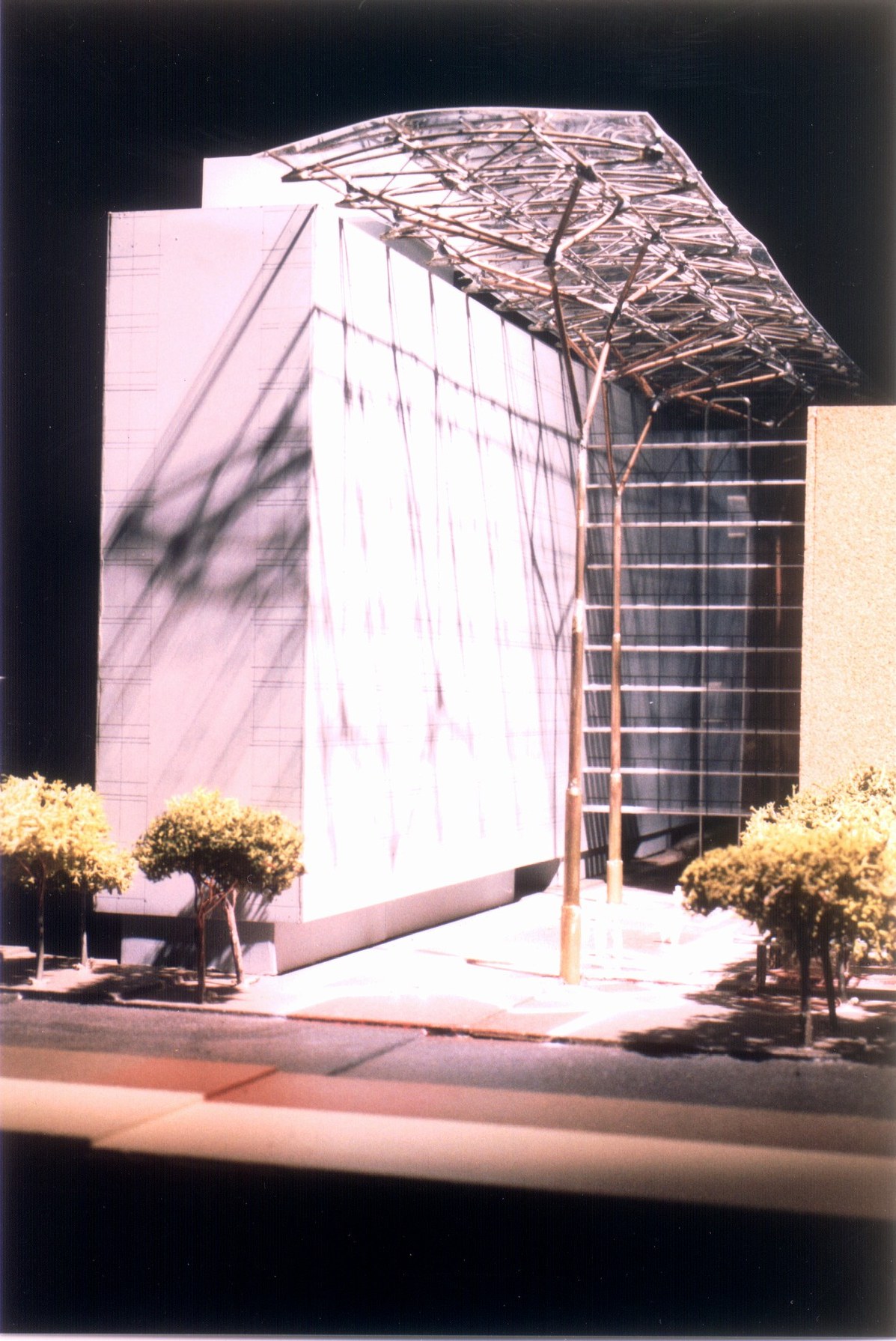
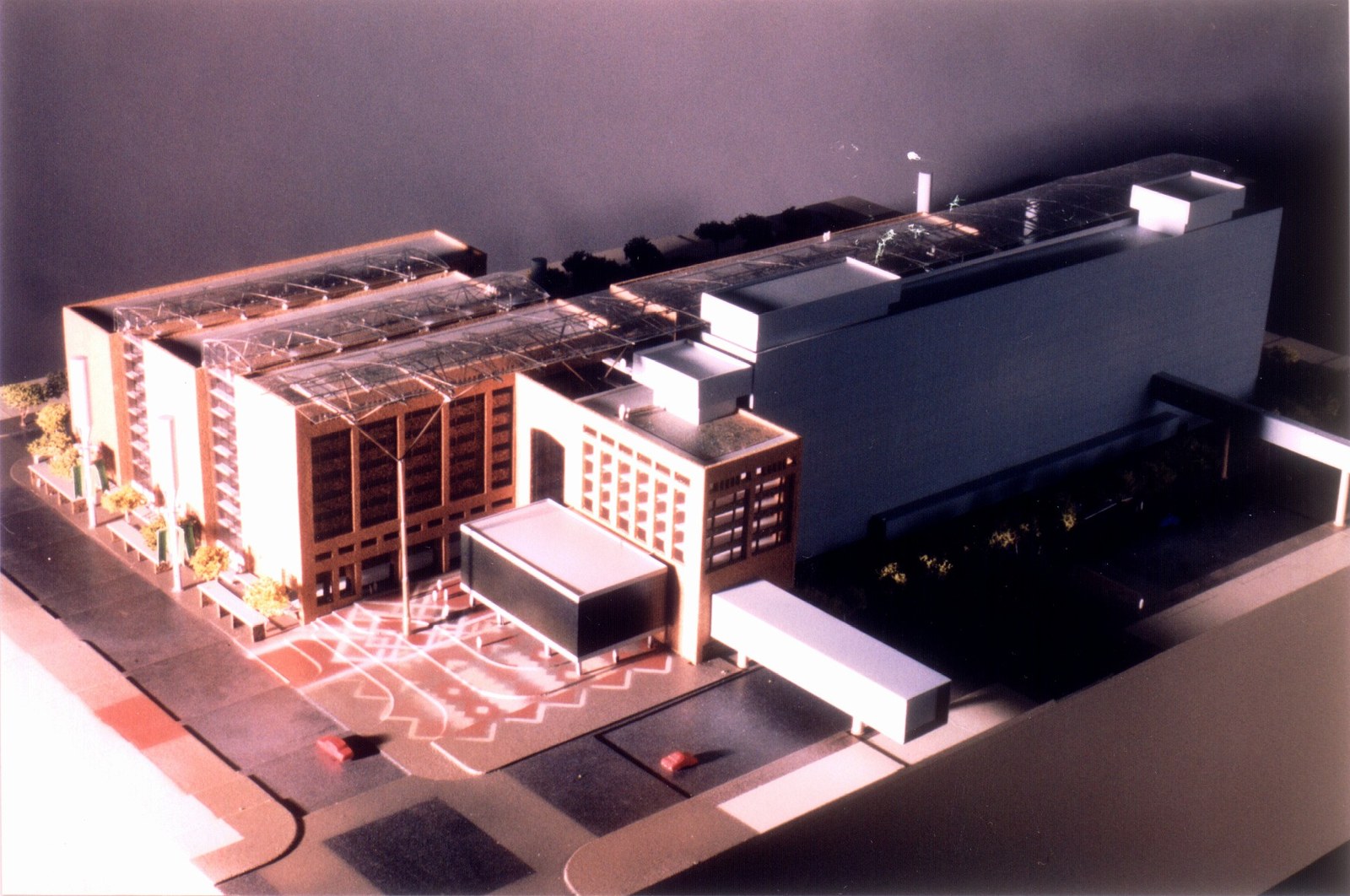
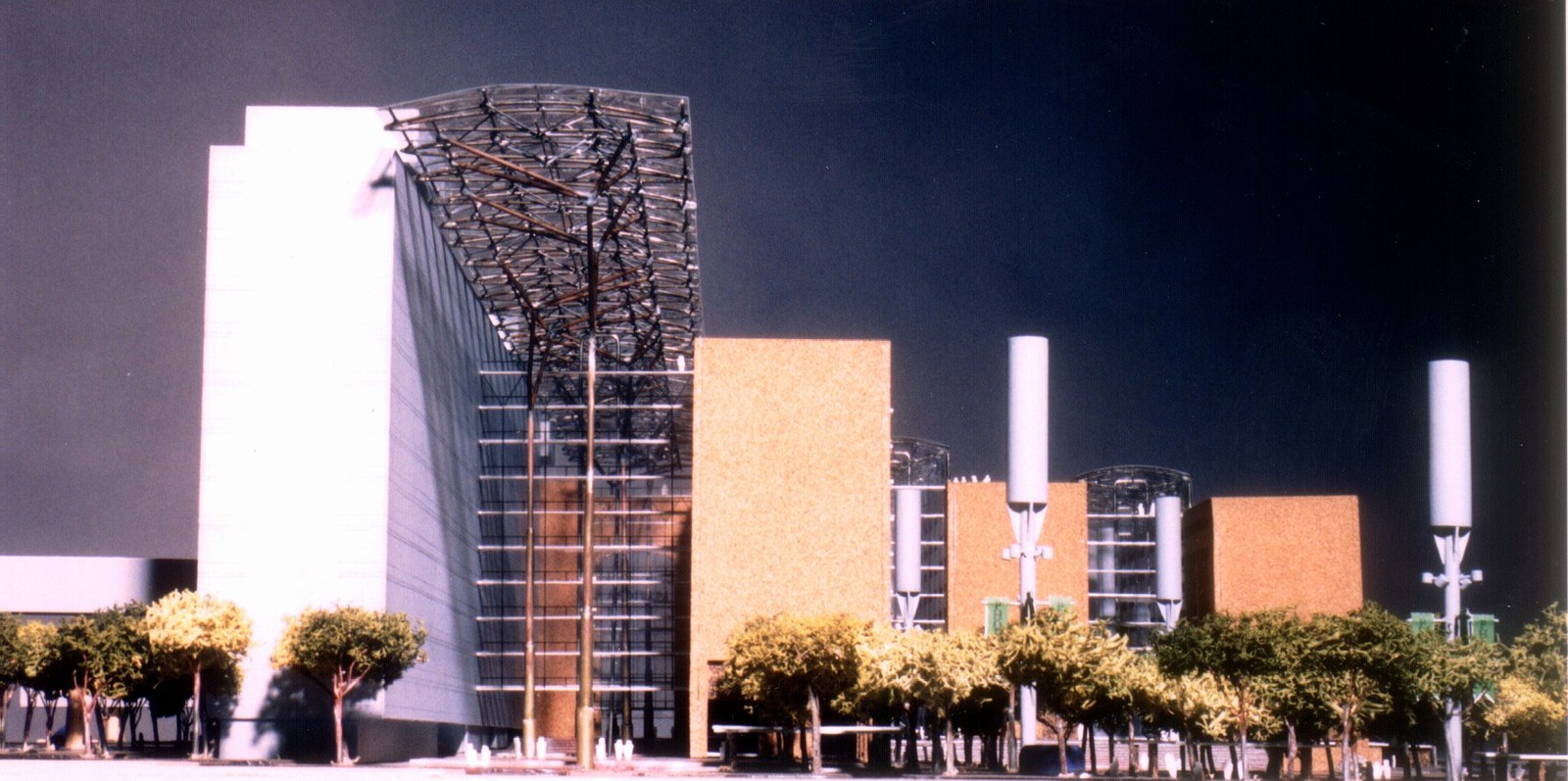
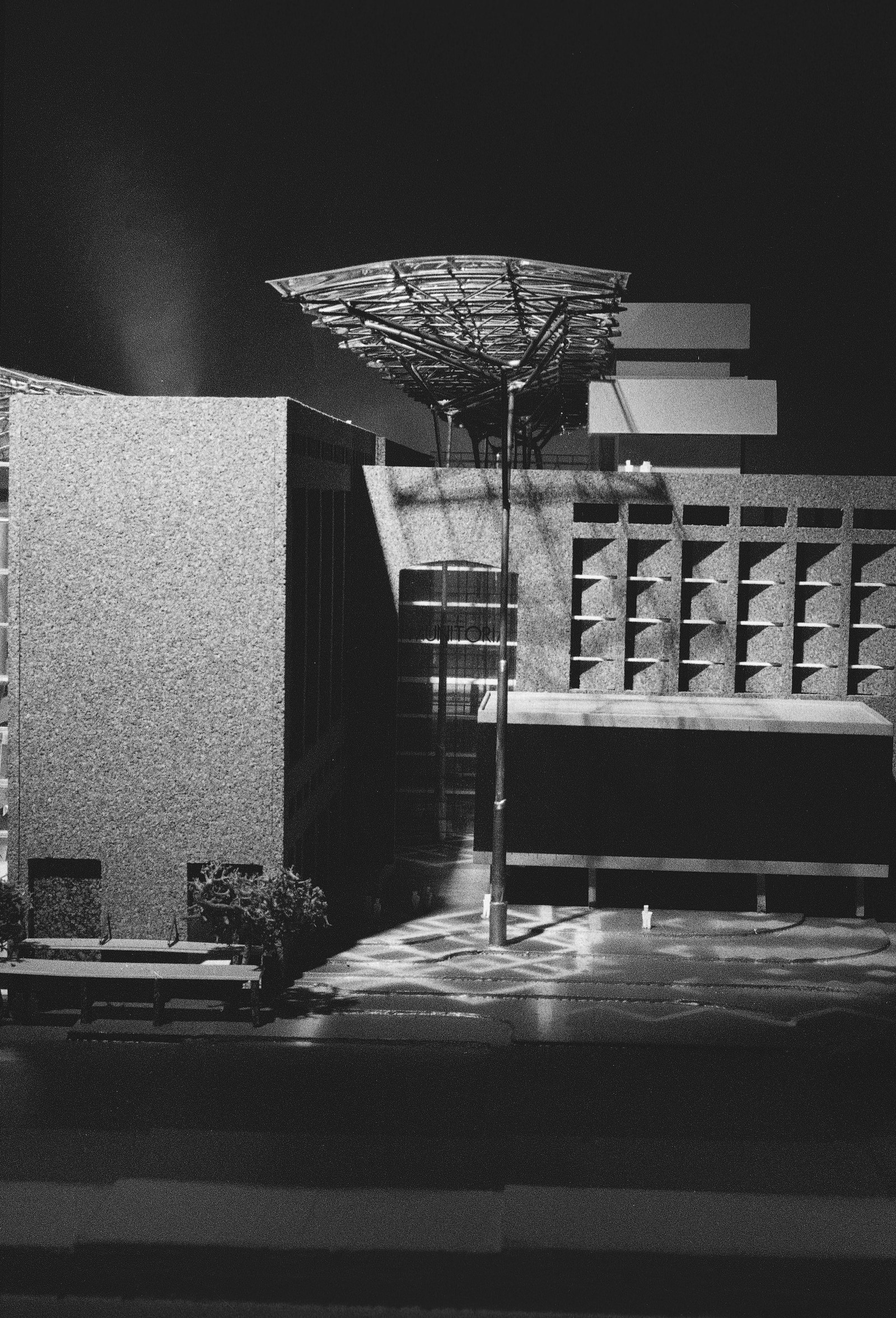
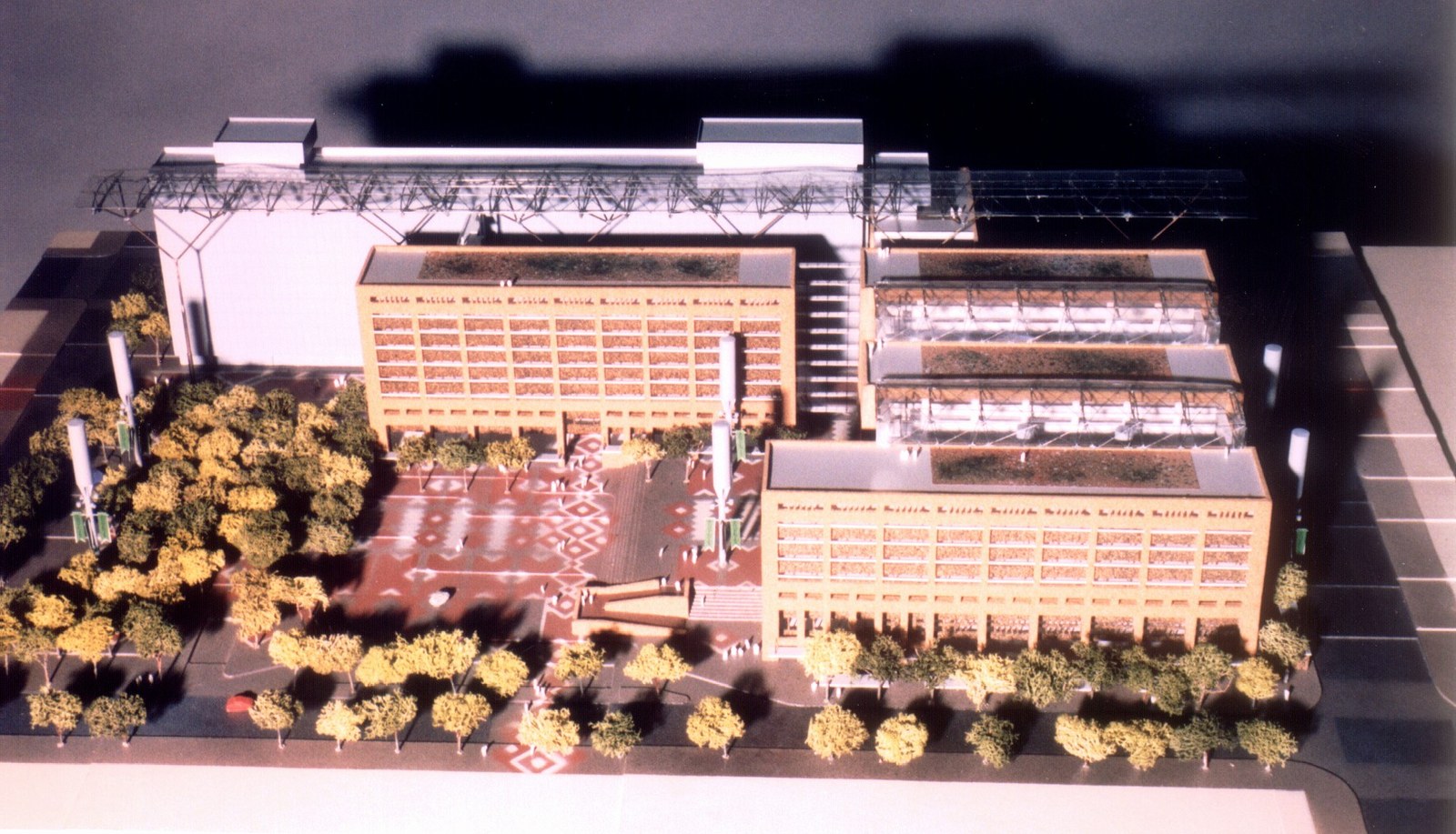
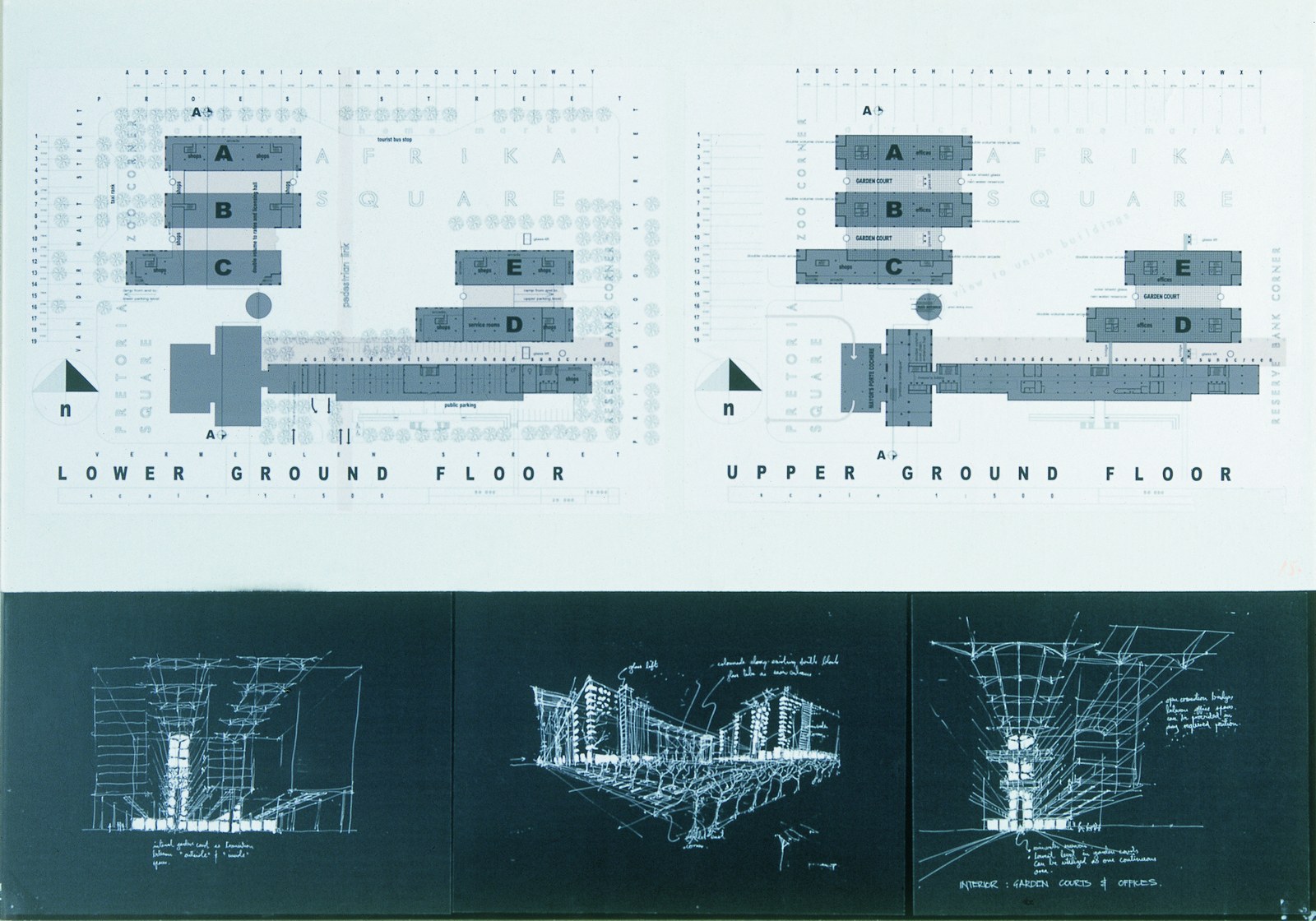
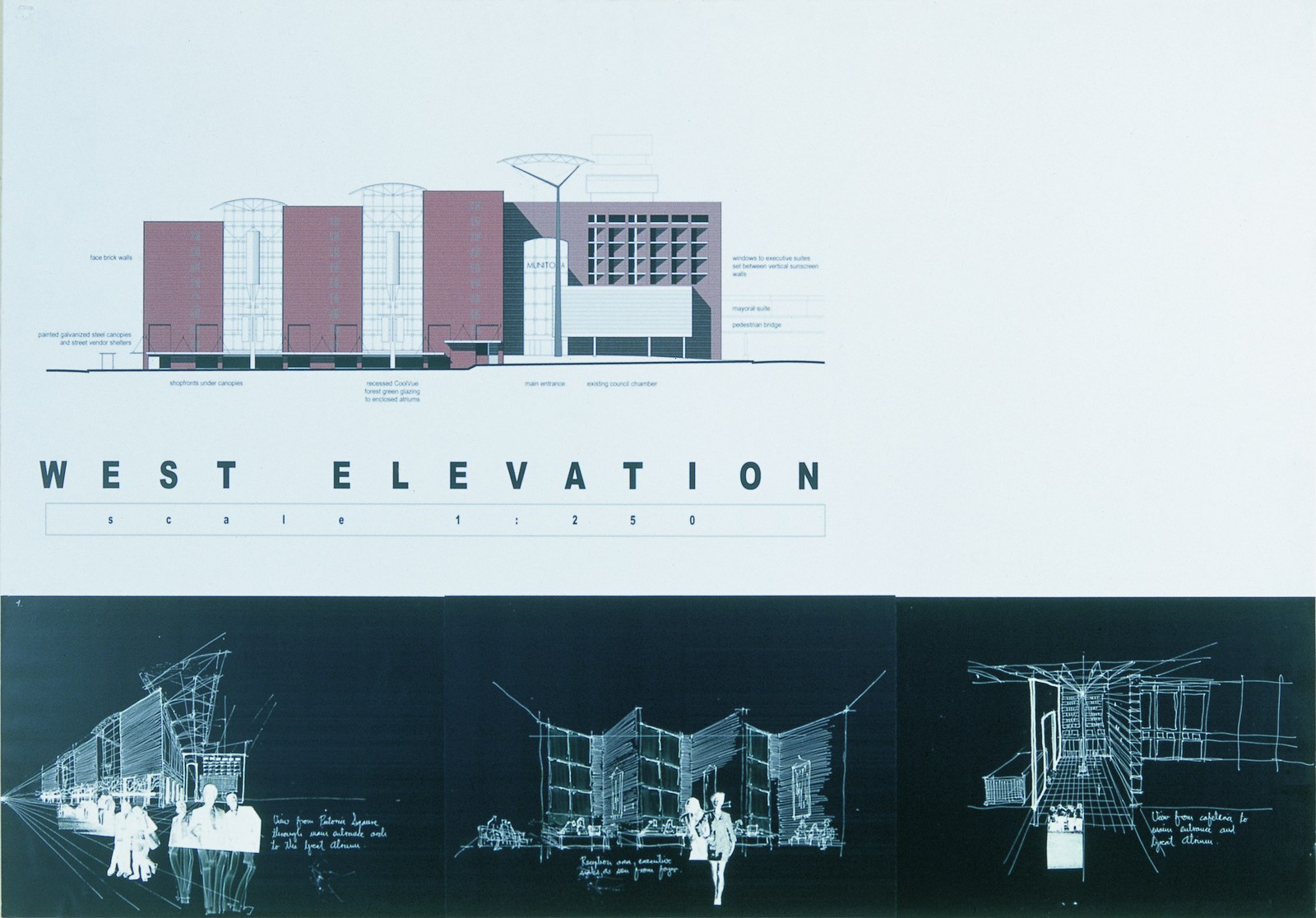
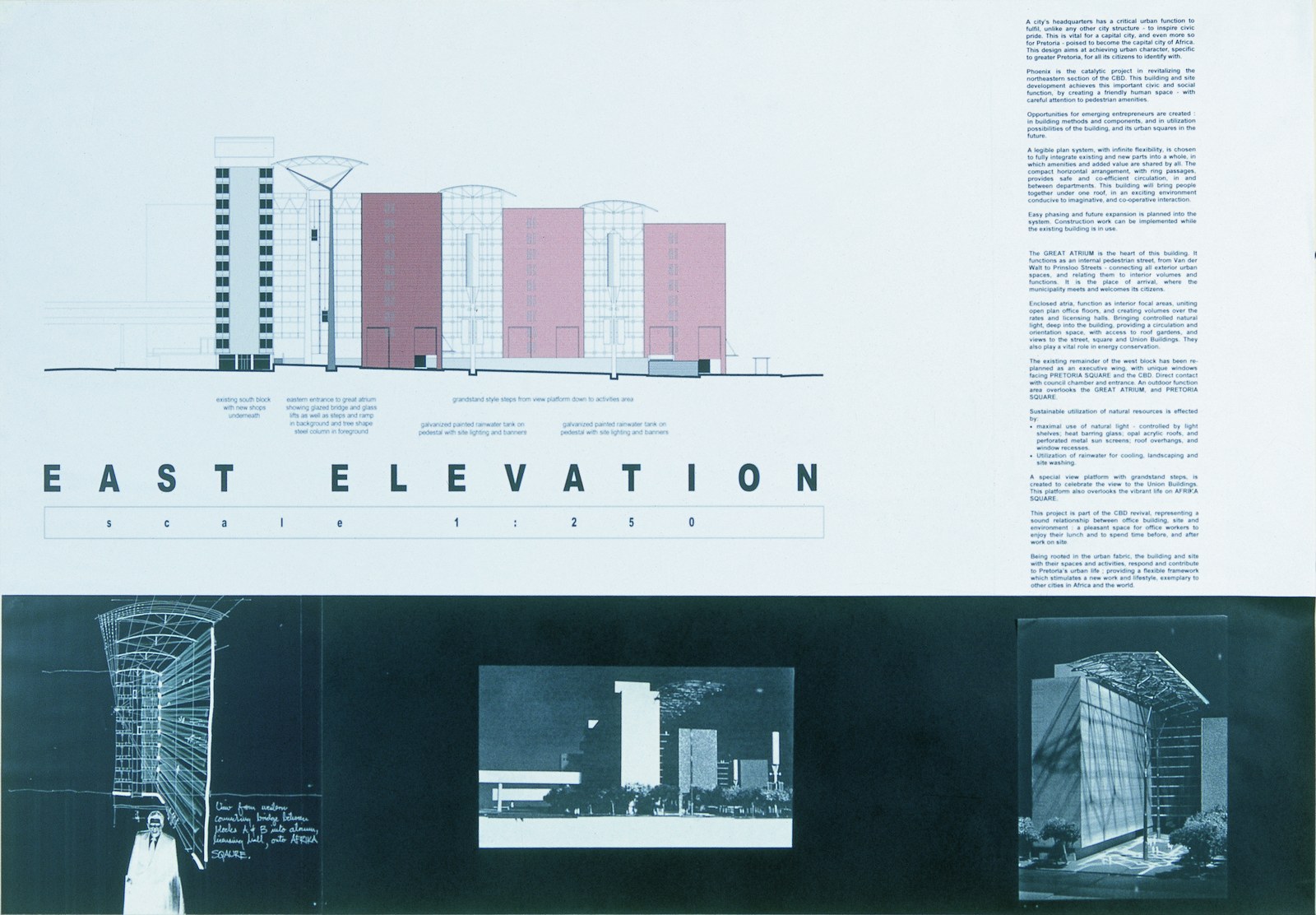
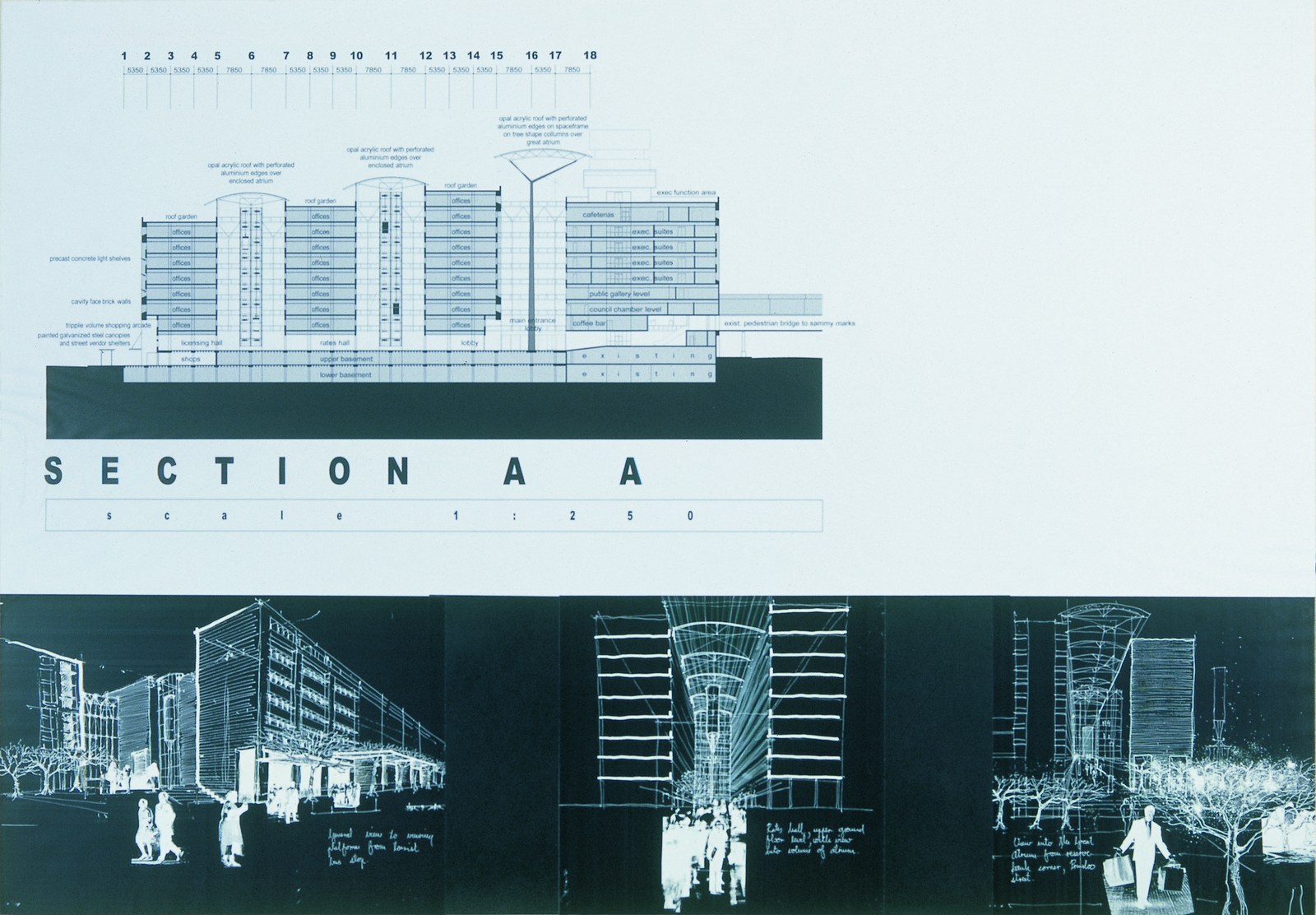
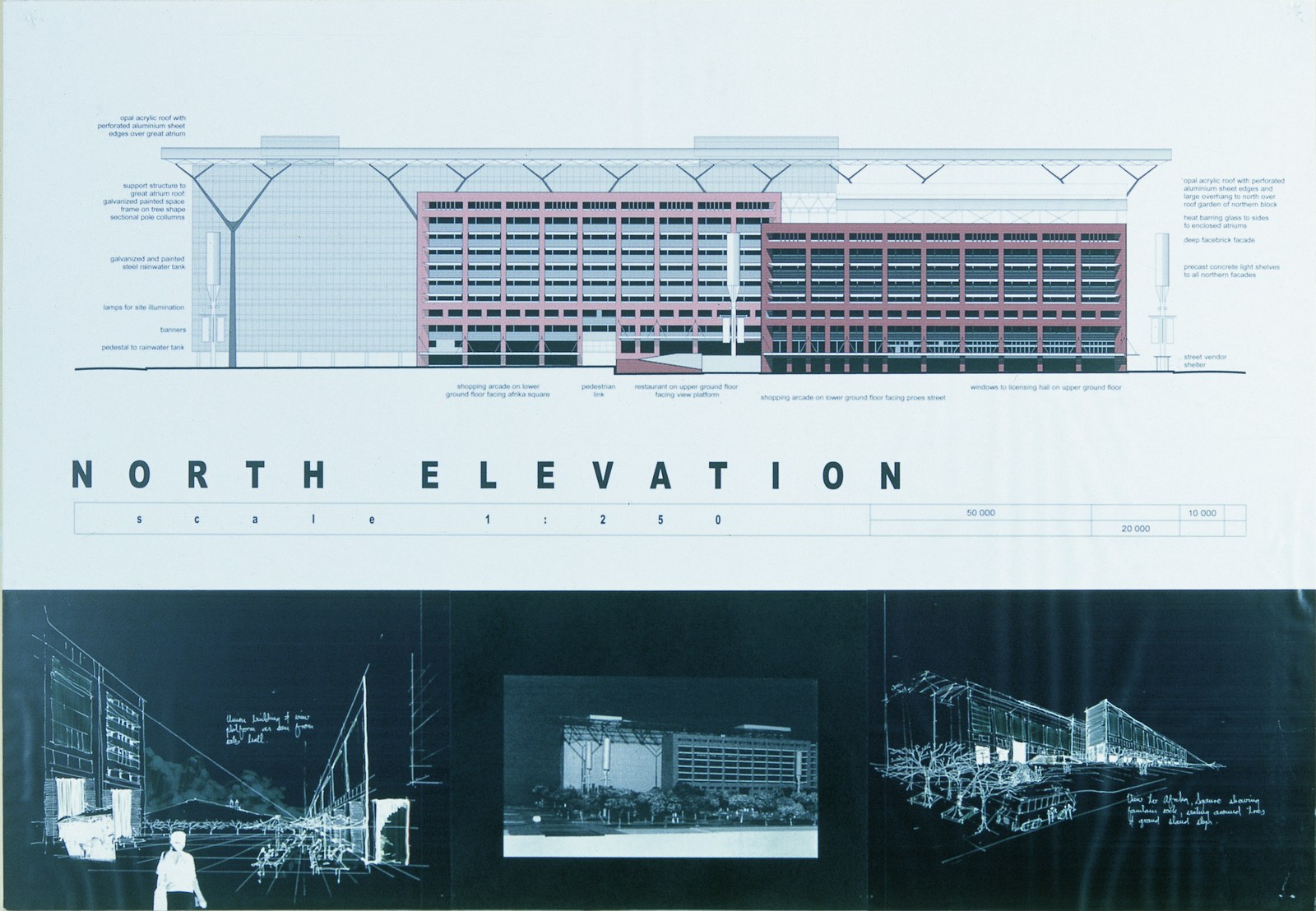
The design worked entirely from passive climate-control principles, and from a set of urban moves meant to give the civic complex an African character — a public ground rather than a sealed corporate block.
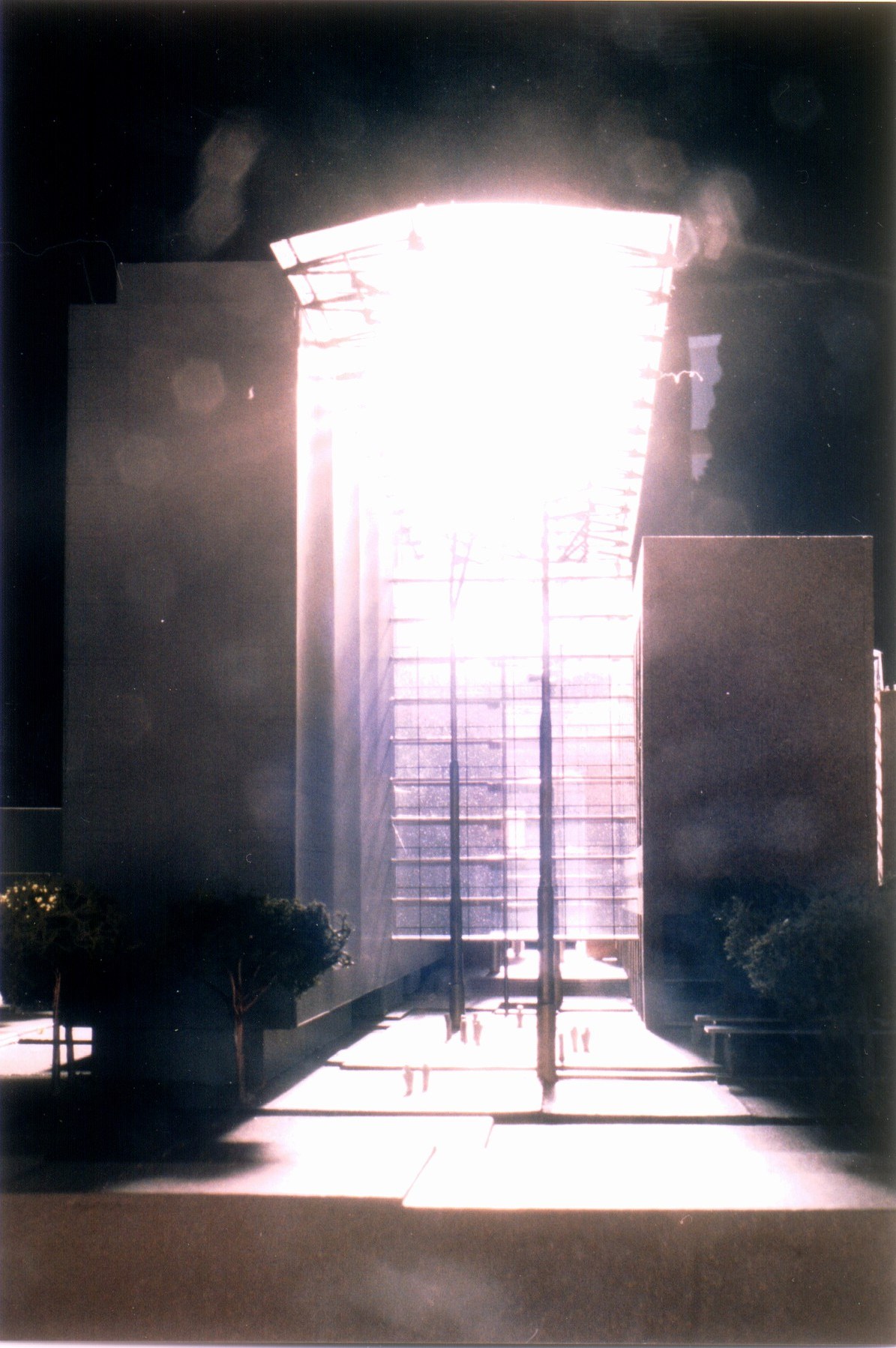
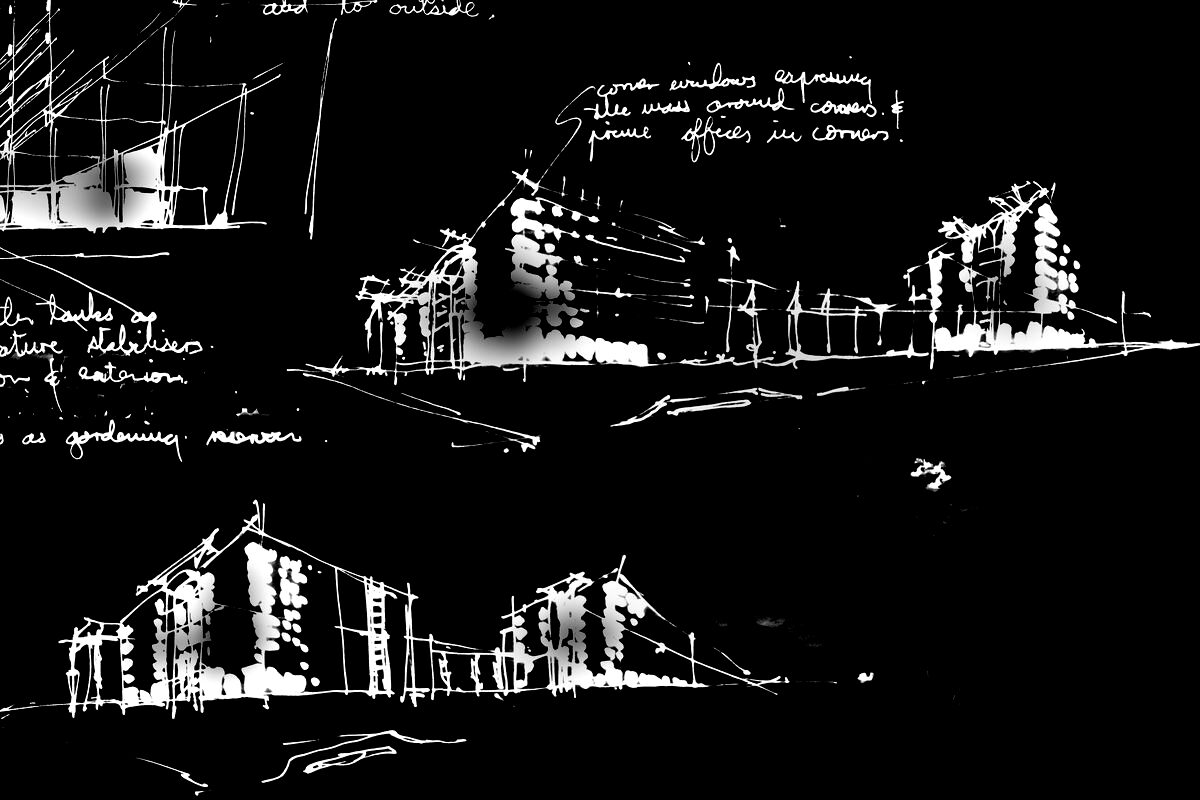
Greenhouse-like atriums rose through the buildings, each carrying a large steel water tank balanced and elevated on a single slim steel column. The tanks acted as heat sinks and the tall glazed volumes as a thermal buffer between the outside weather and the offices within; the tanks were filled with rainwater harvested off the roofs. On the long north façades, light shelves did two things at once — casting shade onto the glass to control heat gain, and bouncing daylight up onto the ceilings and deep into the office floors, cutting the demand for electric lighting. The width of each wing was set precisely so that the reflected light could reach all the way in.
It was, in effect, the whole later practice in embryo: climate first, water held as mass, the building made to do its own environmental work. Only the second project of Booyens's career — after the Container Terminal at Walvis Bay, and very early — Project Phoenix also paid for what came after. The prize bought time: it let Booyens work in Damaraland on the Damaraland Clay Project without having to earn an income at the same time, and it financed the self-built earth work at Rysmierberg.