Unrealised · Residential
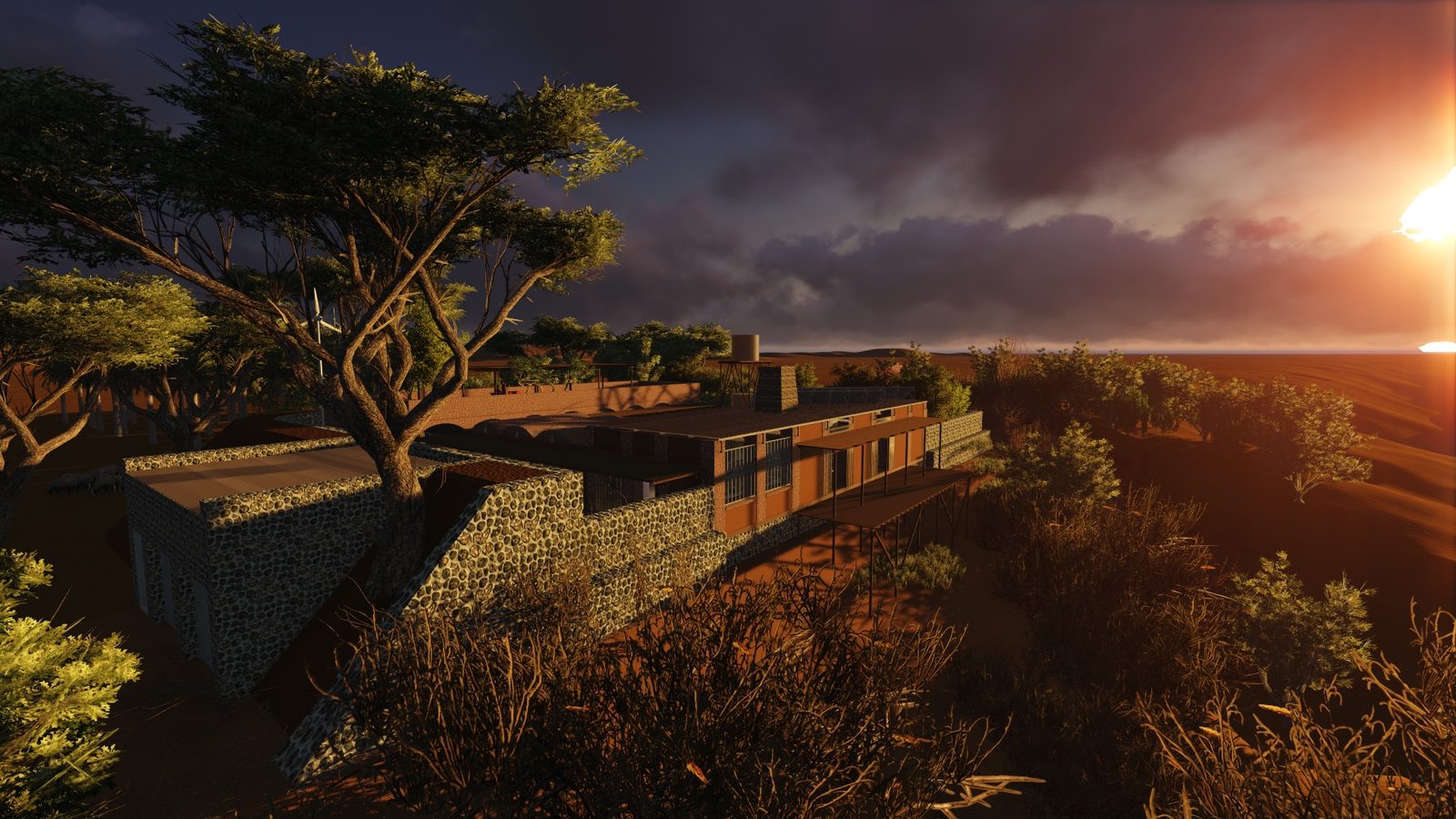
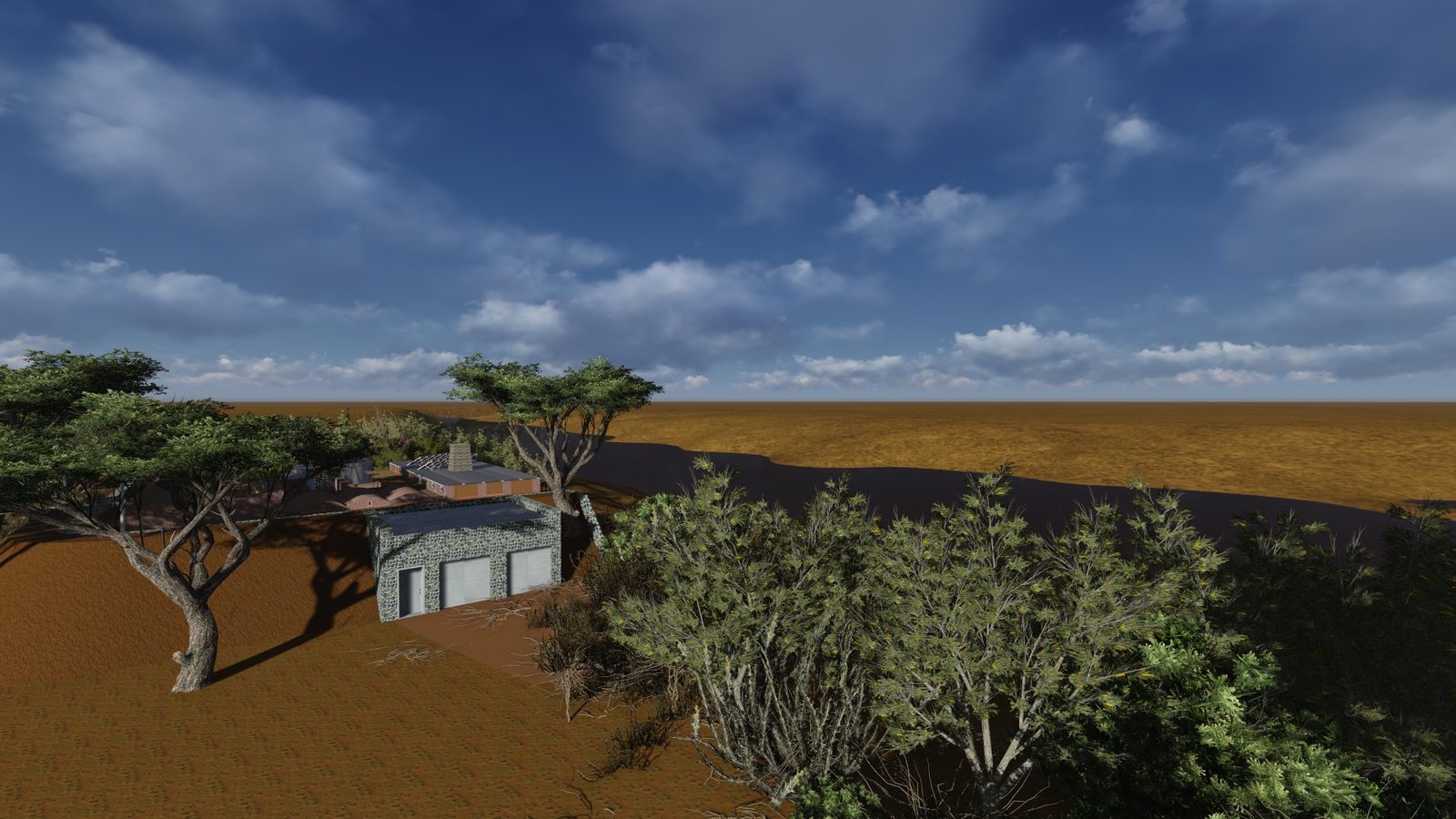
Prieska sits on the south bank of the Orange River — the Gariep — deep in the interior of the Northern Cape, roughly a day's drive from any coast. The landscape around it is flat to gently rolling, with occasional dolerite koppies rising from the plain, and the river marking its passage through a belt of irrigated green that runs against the grain of the surrounding semi-desert.
Temperatures in summer regularly exceed 42°C; winter nights are hard. The river makes agriculture possible in a place that would otherwise support little beyond sparse Karoo scrub. Pecan nut farming runs along the Orange River corridor from Upington eastward, the trees requiring the long hot summers and reliable irrigation that the river provides. The Northern Cape has no frost-free latitude to speak of — pecans here grow under extreme conditions, the thermal stress producing a distinctive nut.
Lowerland Farm lies between Prieska and Niekerkshoop on the south bank of the Orange. Bertie Coetzee is the sixth generation of his family to farm the land. The first meetings for this project took place on Lowerland in 2014, a period when Bertie and Alette were beginning to think seriously about converting the farm from conventional chemical-fed agriculture to a fully regenerative, organic system — a transition they would formally begin in 2015, starting with a single field and expanding steadily until the entire farm was certified organic.
The ambition behind Lowerland's conversion was not only agricultural. Bertie and Alette understood it as a reconfiguration of the entire farming enterprise: closed-loop systems, integration of grazing animals with grain and perennial crops, on-farm processing to shorten the value chain, bottom-up management practices, and knowledge sharing across farming networks. The farm now produces pastured meat, organic stoneground flour, pecan nuts, and wine — each product an expression of the land's capacity when worked with rather than against.
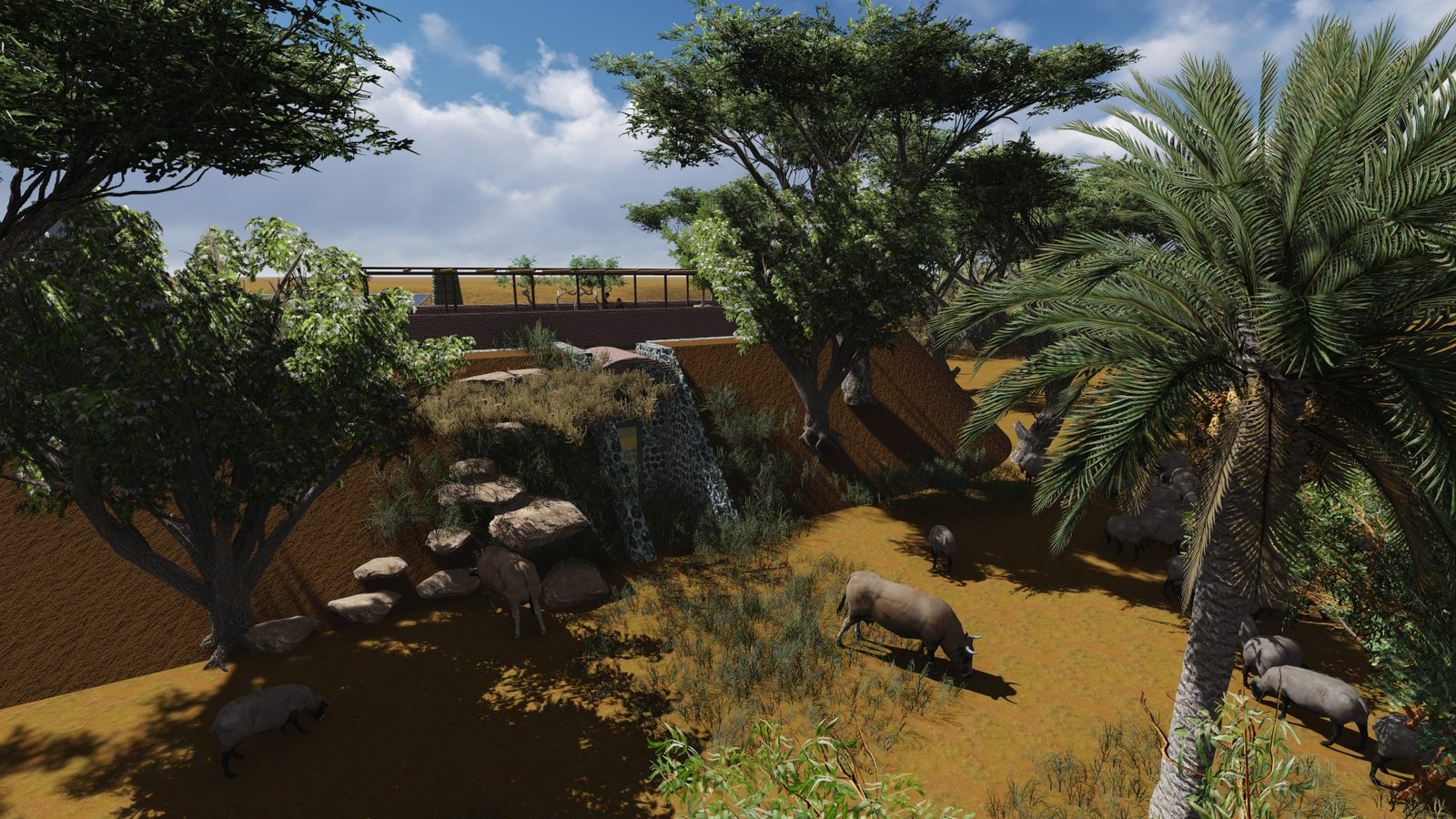
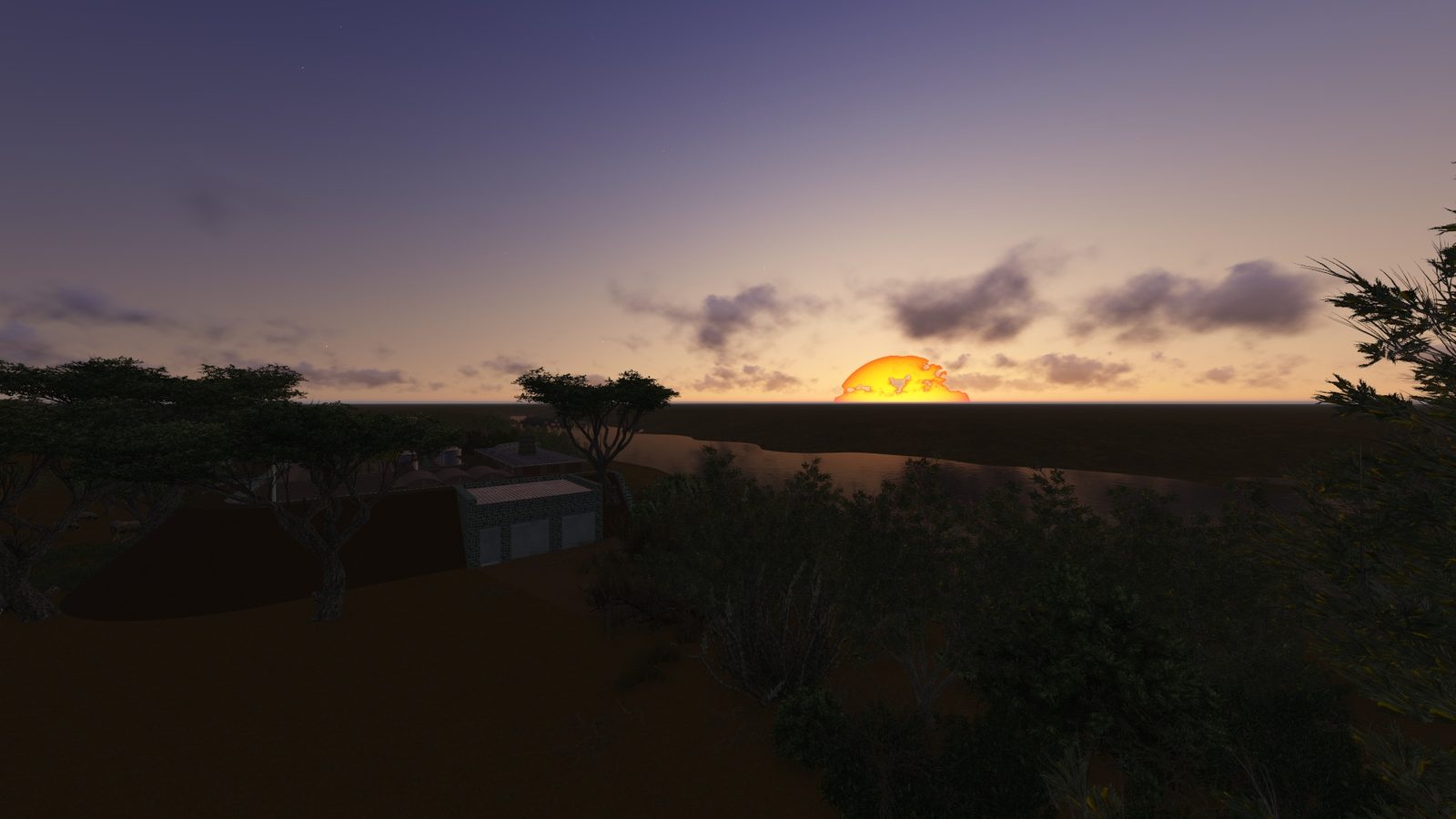
A farming operation of this philosophical commitment needs a dwelling that holds the same position: one that reduces external dependency rather than adding to it, that uses the land's thermal and solar resources rather than importing energy, and that is rooted in the same material logic as the farming system itself.
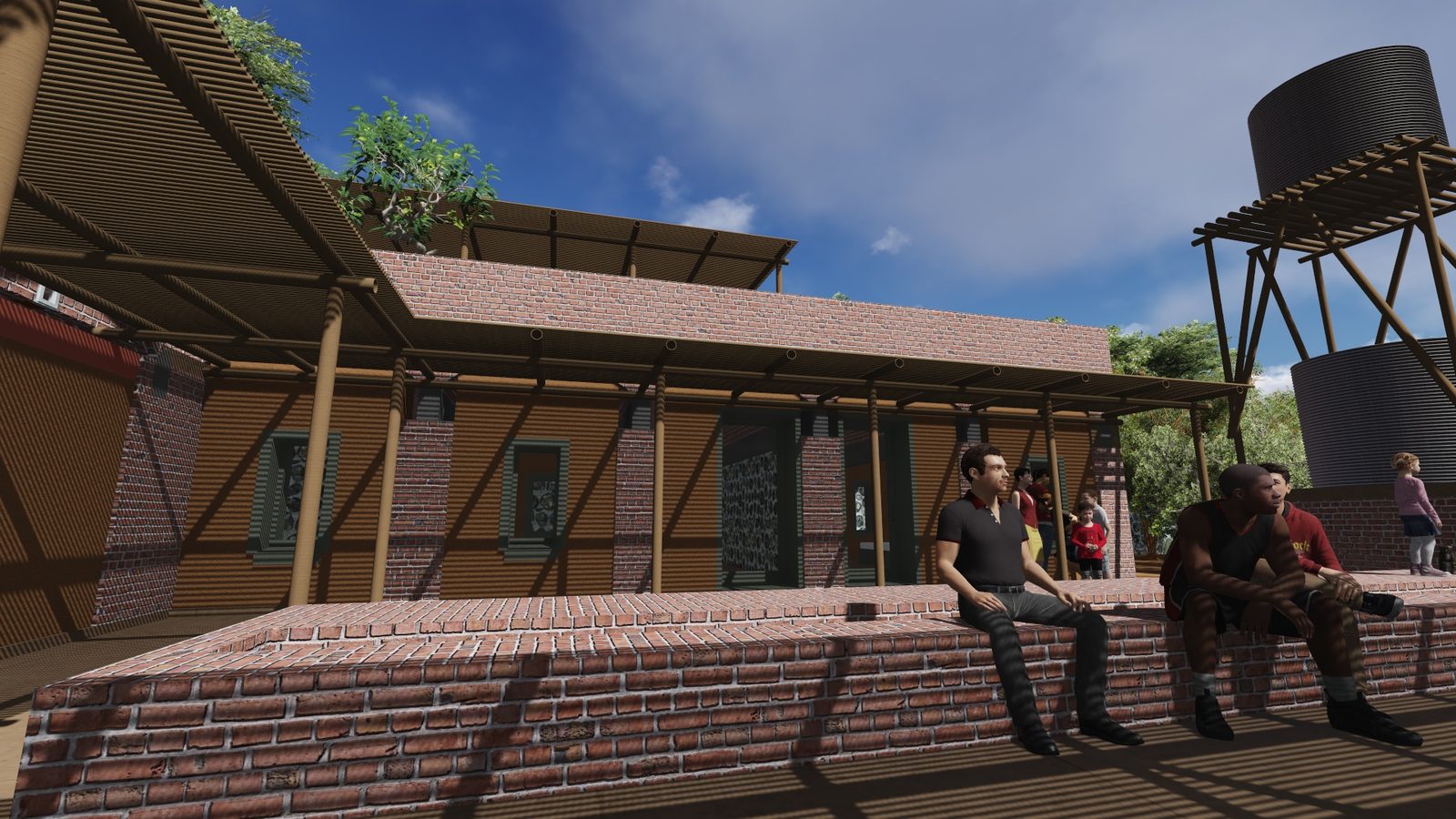
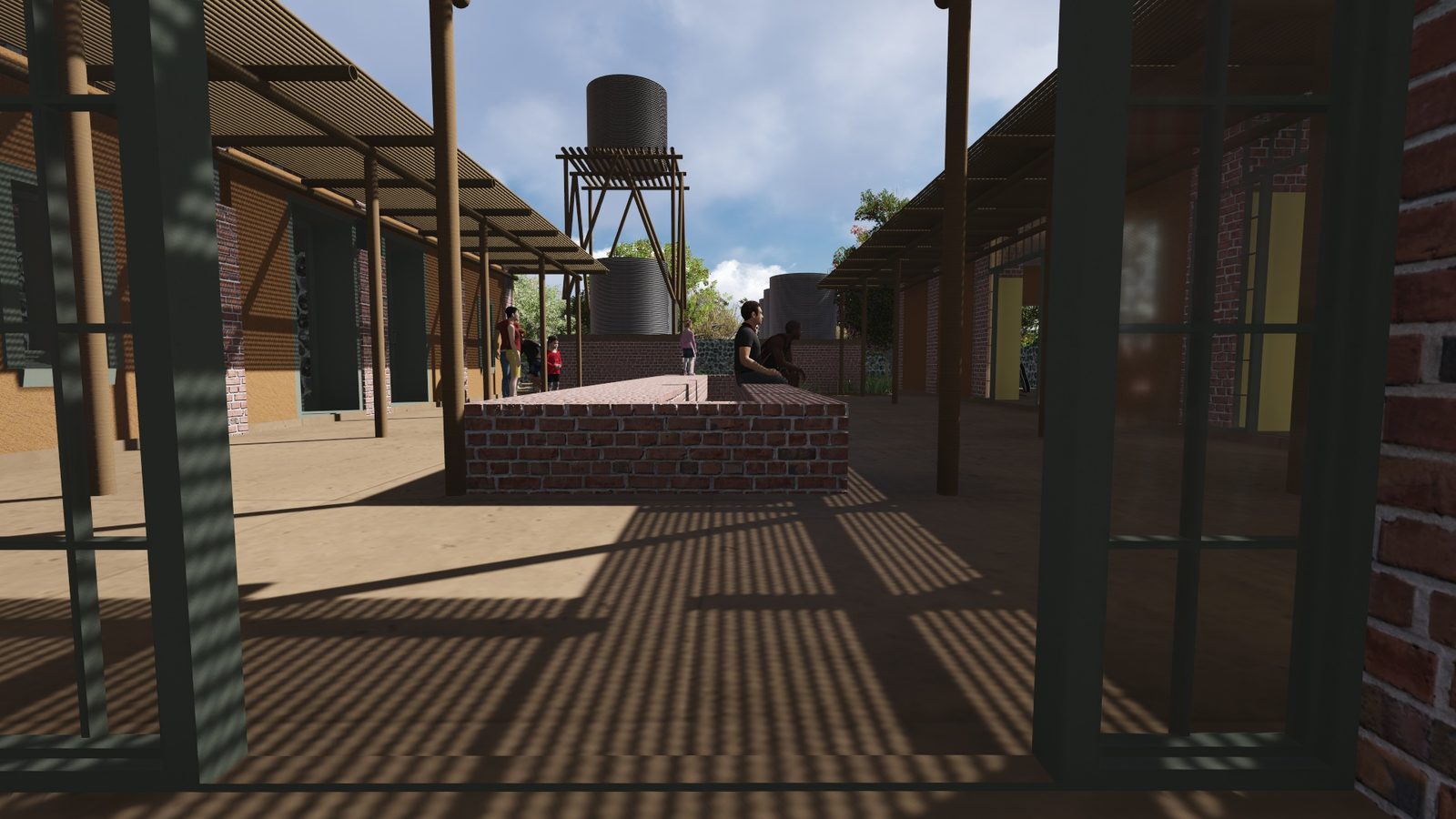
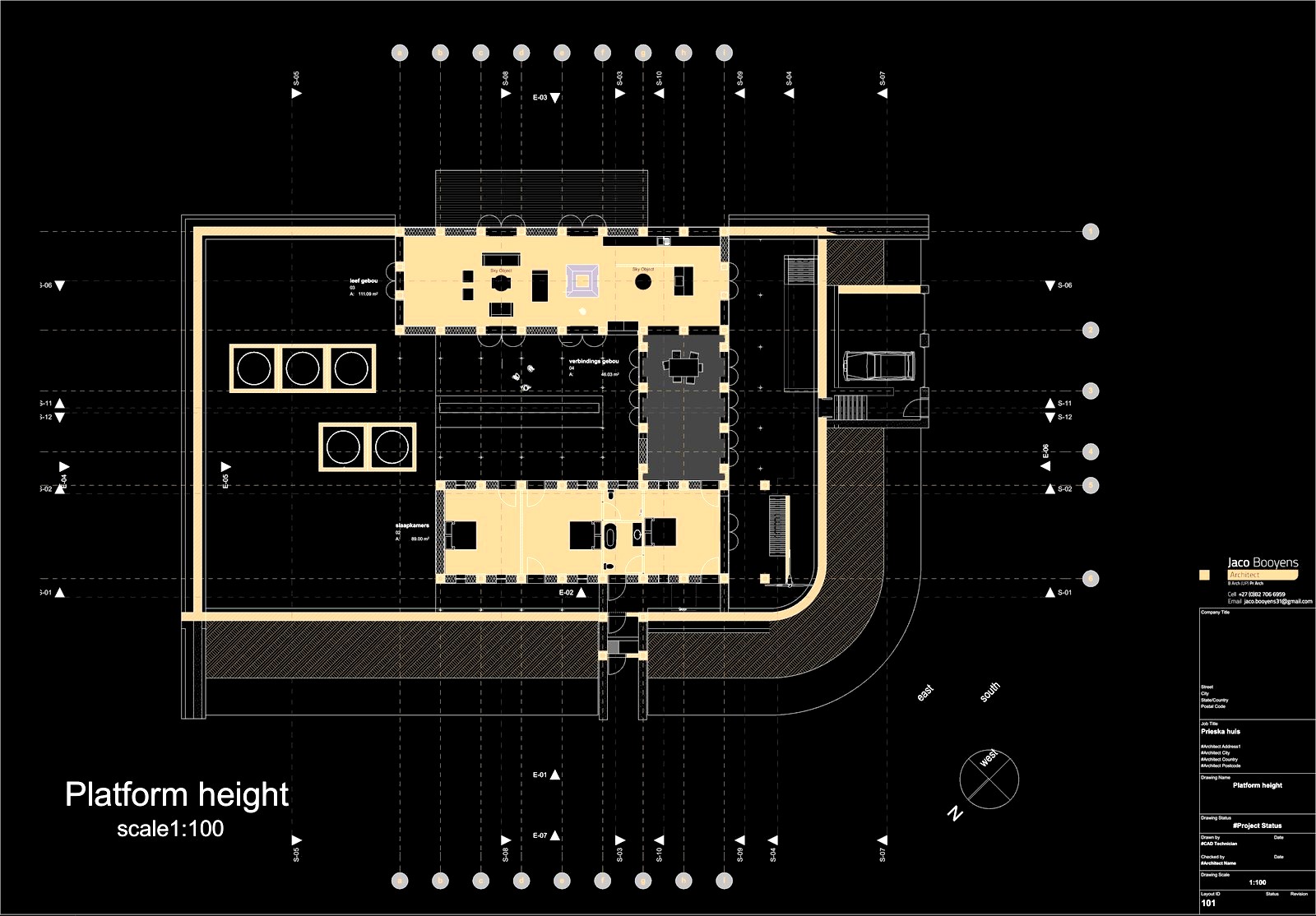
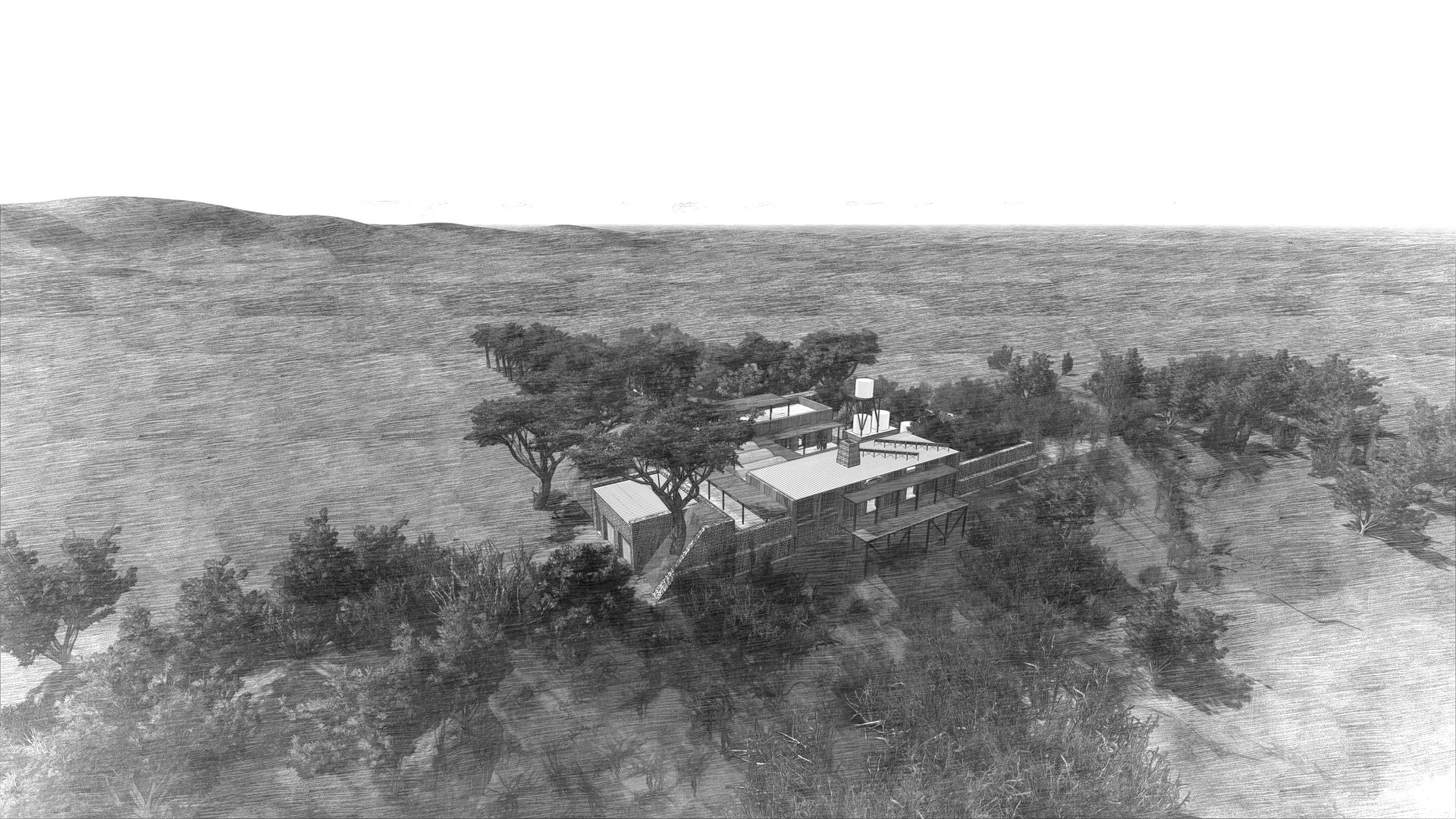
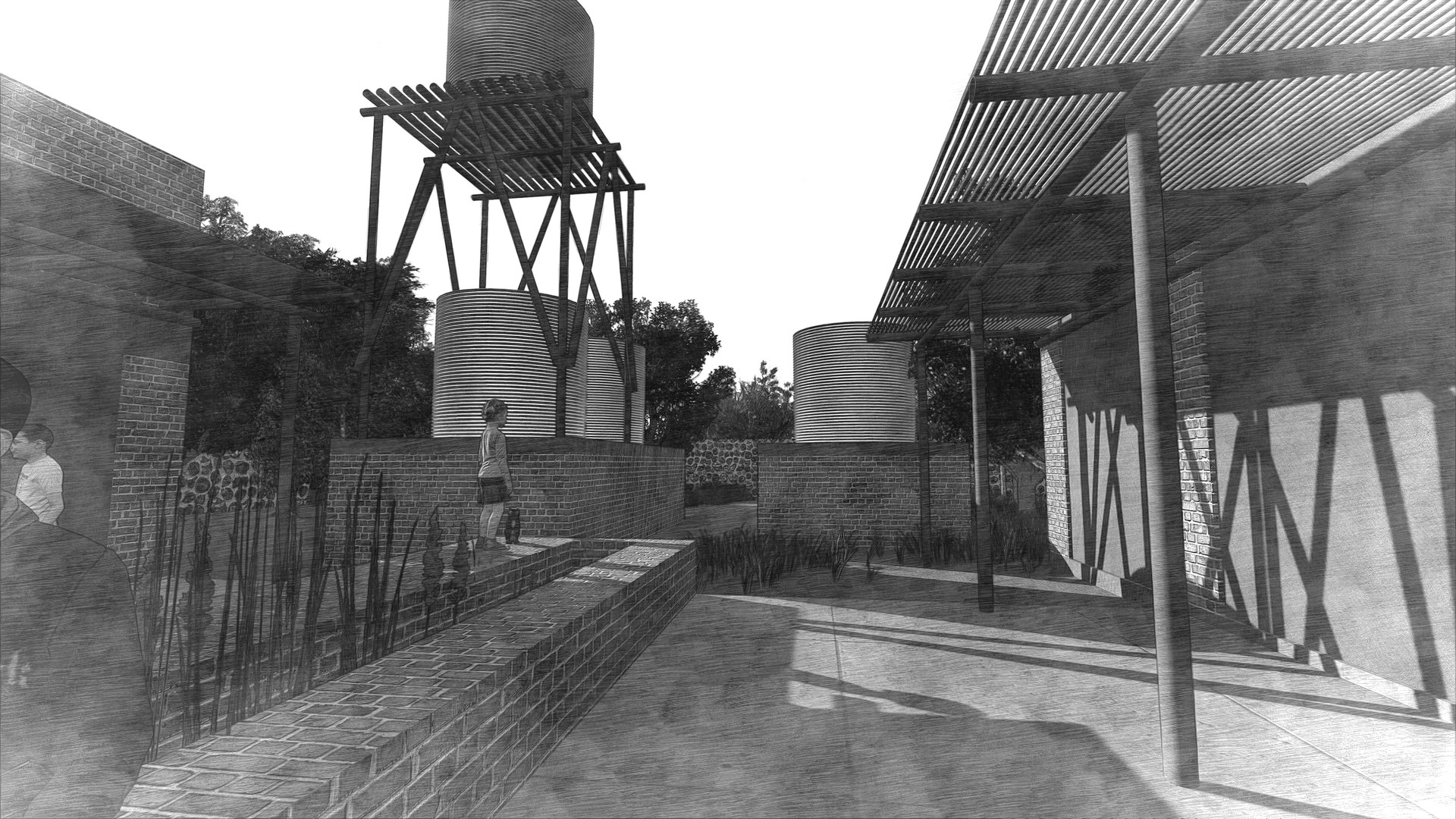
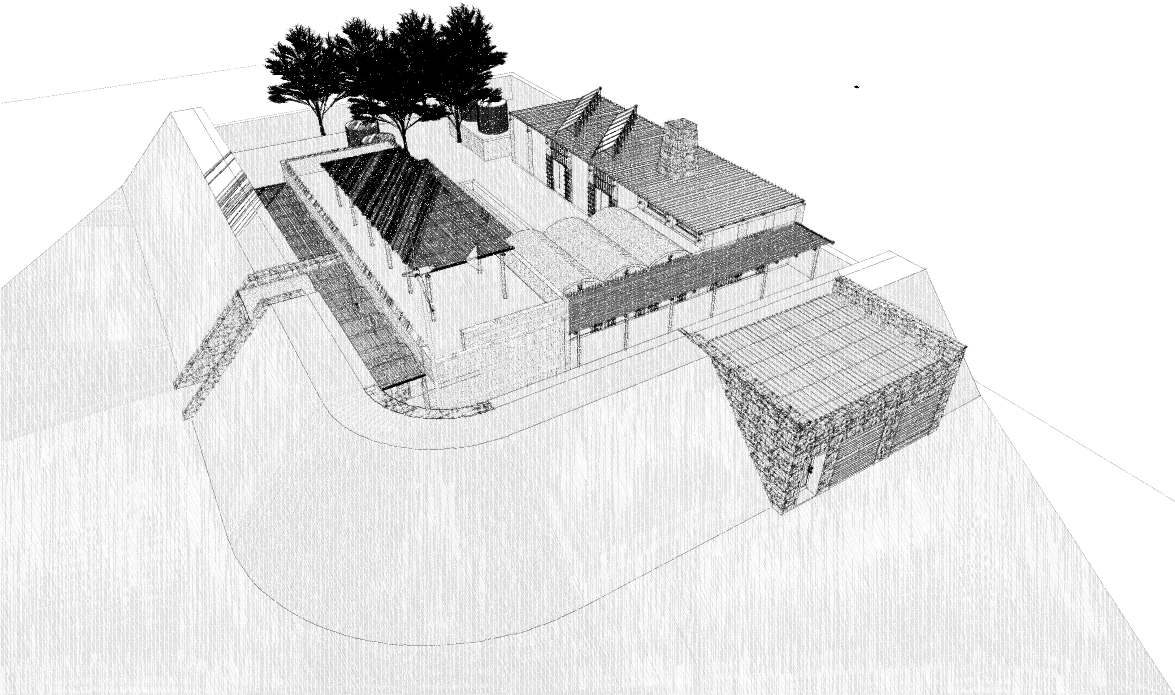
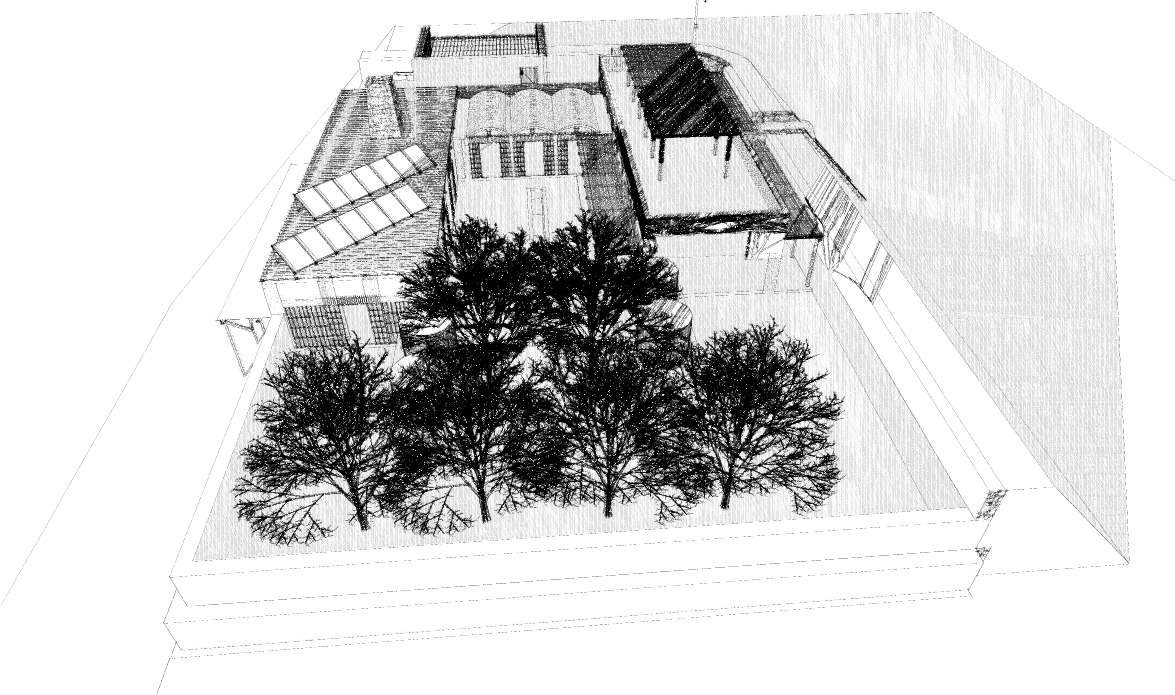
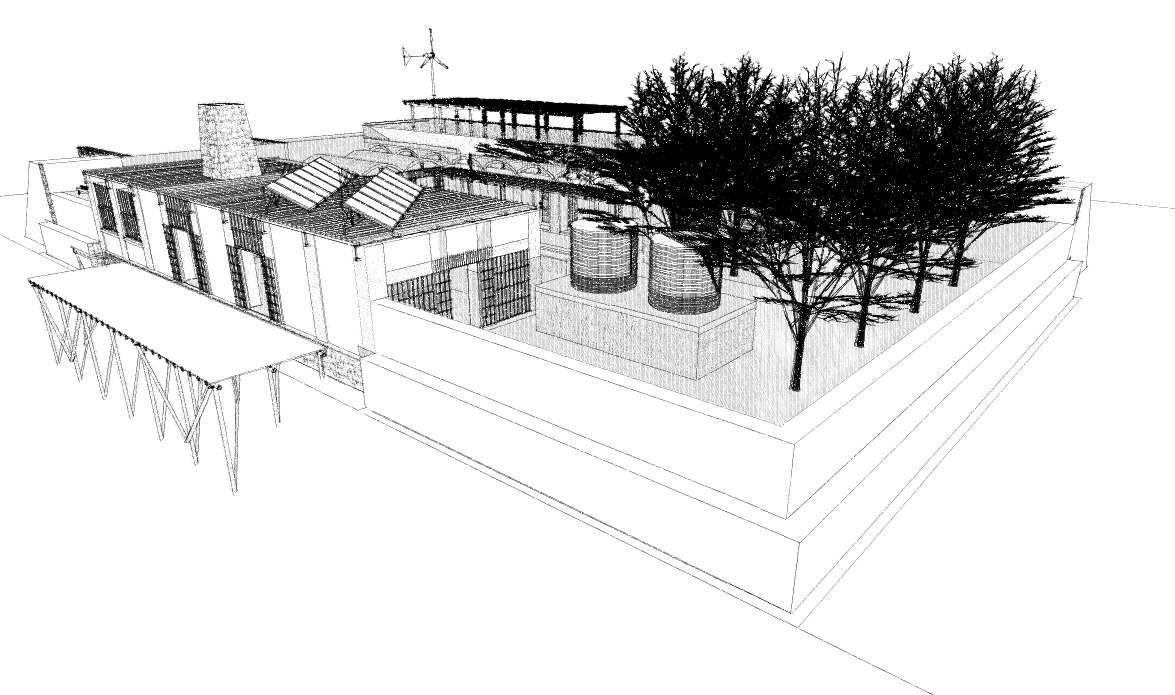
The programme is organised around a courtyard — the operative centre of the plan, shading the interior spaces and creating a sheltered microclimate against the Northern Cape summer. A roof garden covers the main sleeping volume, providing insulation and growing space. A root cellar is buried into the slope, using ground temperature for passive cooling and for storage of produce from the farm.
The stoep is generous — a covered threshold between the cooled interior and the full intensity of the Prieska heat, wide enough to live on for most of the year. The fruit forest visible from the living spaces is part of the farming system, not ornamental: the house is embedded in the production landscape, not set apart from it.
The project was shelved in 2016 when Bertie needed to concentrate the farm's resources on the organic conversion, which was at a critical point in its establishment. The brief remains live and the project is to be revisited when the farming operation is stable.